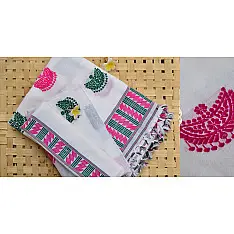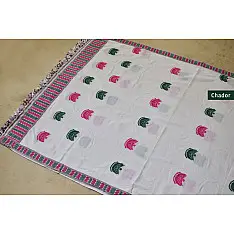



- Availability: Out Of Stock
- Made & Mkt by: Atut
- Product Code: 2456-MS-01
- Weight: 450.00g

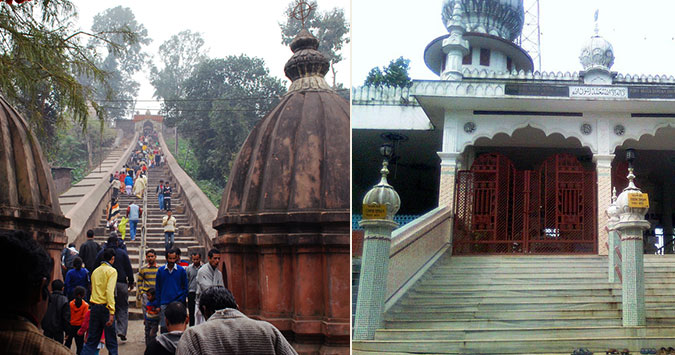
At the heart of it all... closest to its spirit, where nature is at its best… time too takes a pause & breathes! …Steep mountains make their way into the narrow trails of Hajo; in the Kamrup district of Assam, submerged under dense flora & fauna...lush green greets the eye and hillocks dot the scenery… birds chirping, insects buzzing… rings a melody from ear to ear... a tranquility found nowhere… This little village is not only a weavers’ paradise but also a site for pilgrimage for Hindus, Buddhists, and Muslims alike. The district of Hajo houses ancient temples harking back to the Ahom kings, the Poa Mecca -the tomb of Giasuddin Auliya & Hayagriva Madhava temple marks the multifaceted culture of the place & also creates an atmosphere of social co-existence, religious tolerance, and cultural interaction.
Festivals are approaching & so is the vigor in people. It’s a sight to behold; everyone is working together... decorating their houses, streets, and spaces of public gathering. Men brush away the dust from their old musical instruments, Women prepare traditional dishes while humming the Bihu Geet… mouthwatering aroma is giving a sweet tooth to everyone around! Little hands overflow with sweet delights, marching in joy through the hilly patches are their tiny but firm feet. Jumping… rolling in amusement. The elder recites the folklores out loud to the younger ones with sheer joy… People of all sorts tap their feet together to nature’s music. Finally, the Shinga (horn) is blown… marking the onset of Bohag Bihu or Rongali Bihu, the Assamese new year. Prayers pour in... People from every part, every corner, irrespective of caste, creed or religious backgrounds gather to mark the beginning of the auspicious festival.
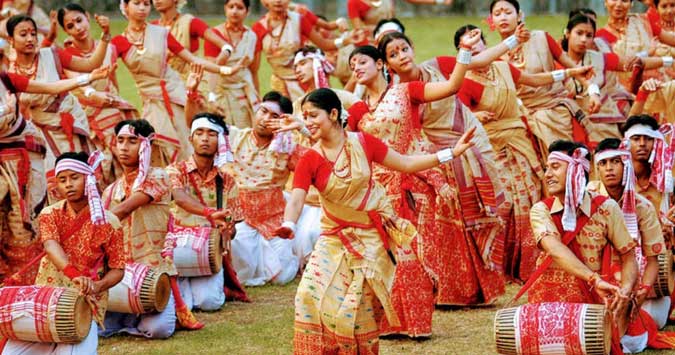
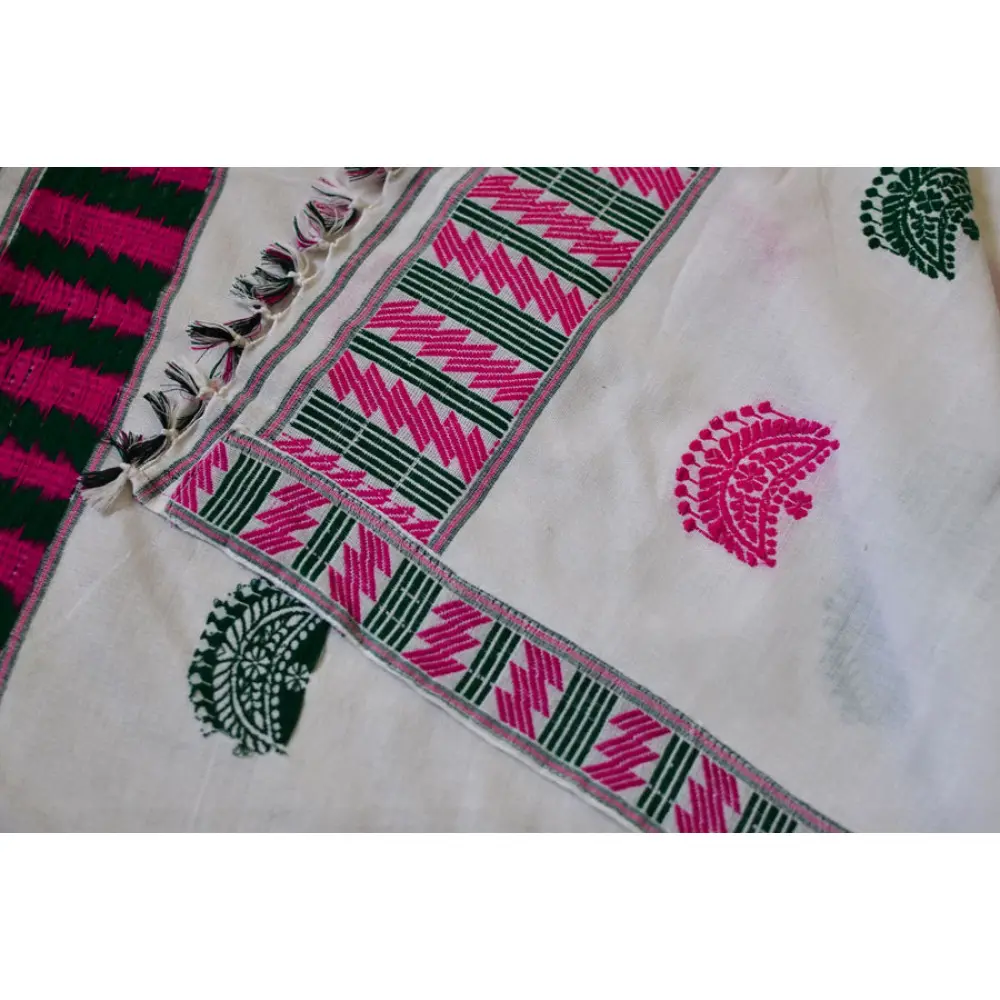
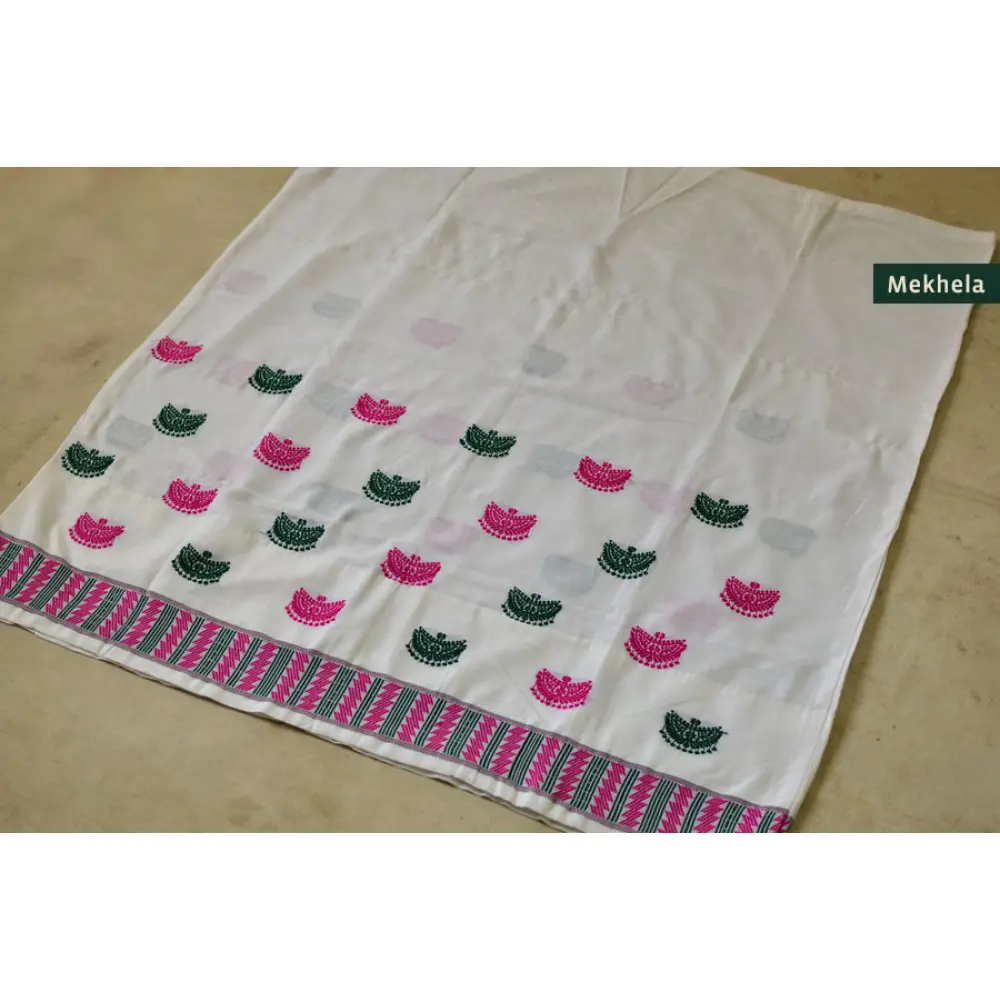
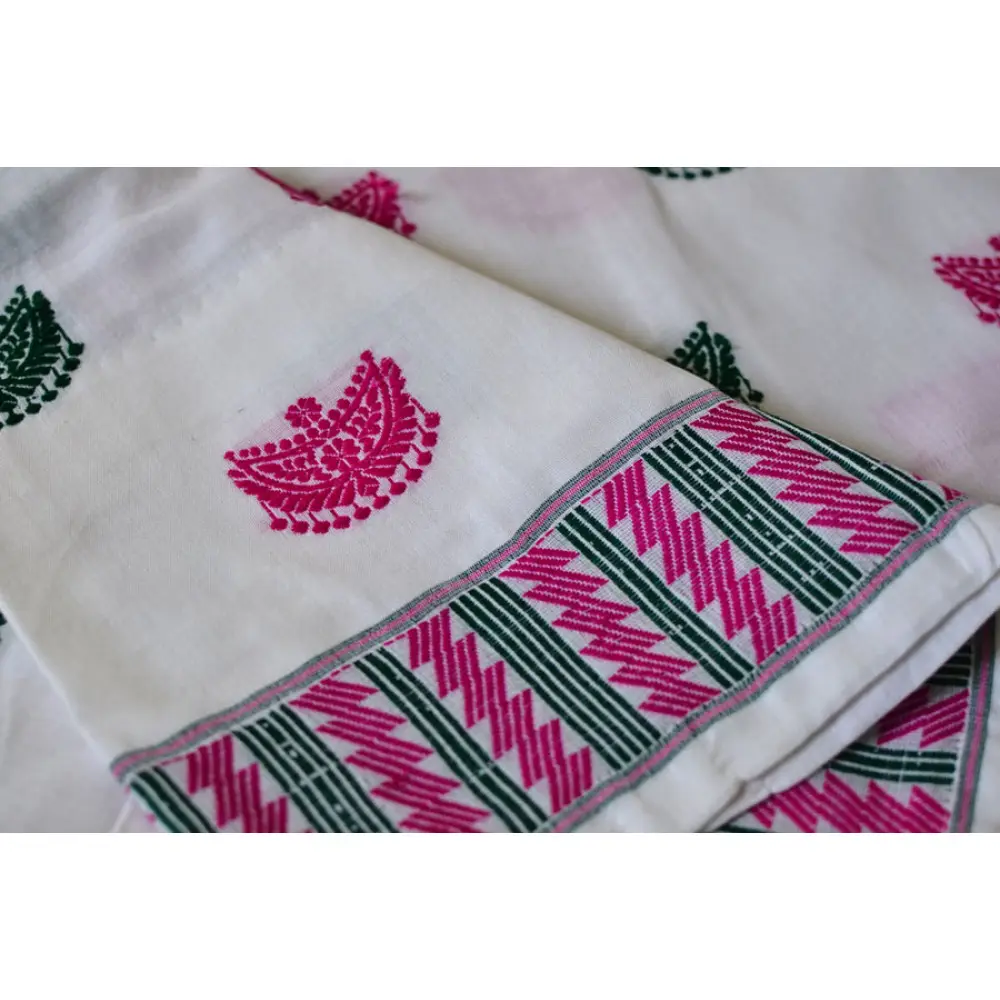
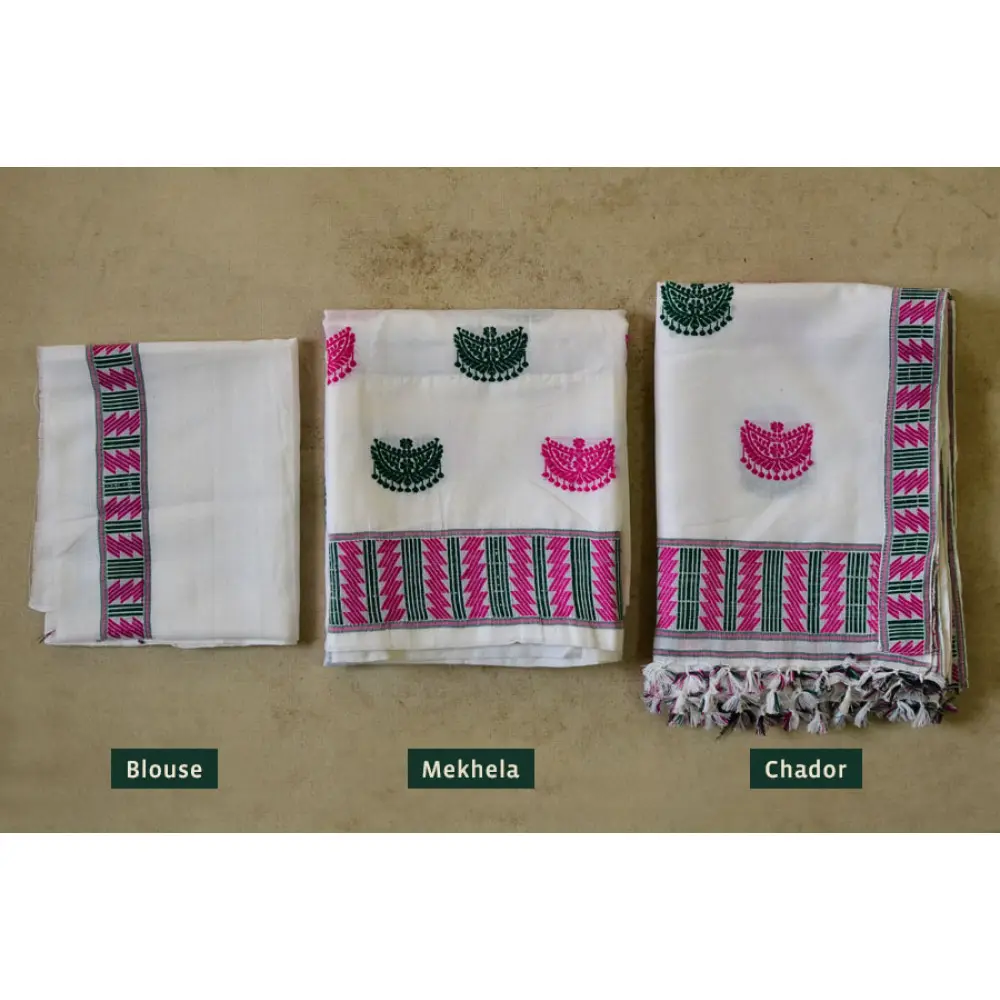
Day breaks & a rollercoaster of crazy affairs begins…cattle’s are given a nice bath in a nearby pond, decorated with colorful ornaments and offered good food… a way of thanking them for the good harvest. Dressed in their best the whole village summons in the field to witness the festive grandeur of the day… Men& women take up the stage, men dressed in Dhotis & a Gamocha, used as a head band; women in their traditional Mekhala, with a Chaddar covering their upper body, hair adorned with flowers walk hand in hand swaying with the spirit of spring. Music starts &a frenzy wave takes up the whole place, moving everything in unison… tapping feet, the sound of flutes, the sound of singing, the Bihugeet, the flip-flap of the leaves, the hissing fields, the chuckling birds...
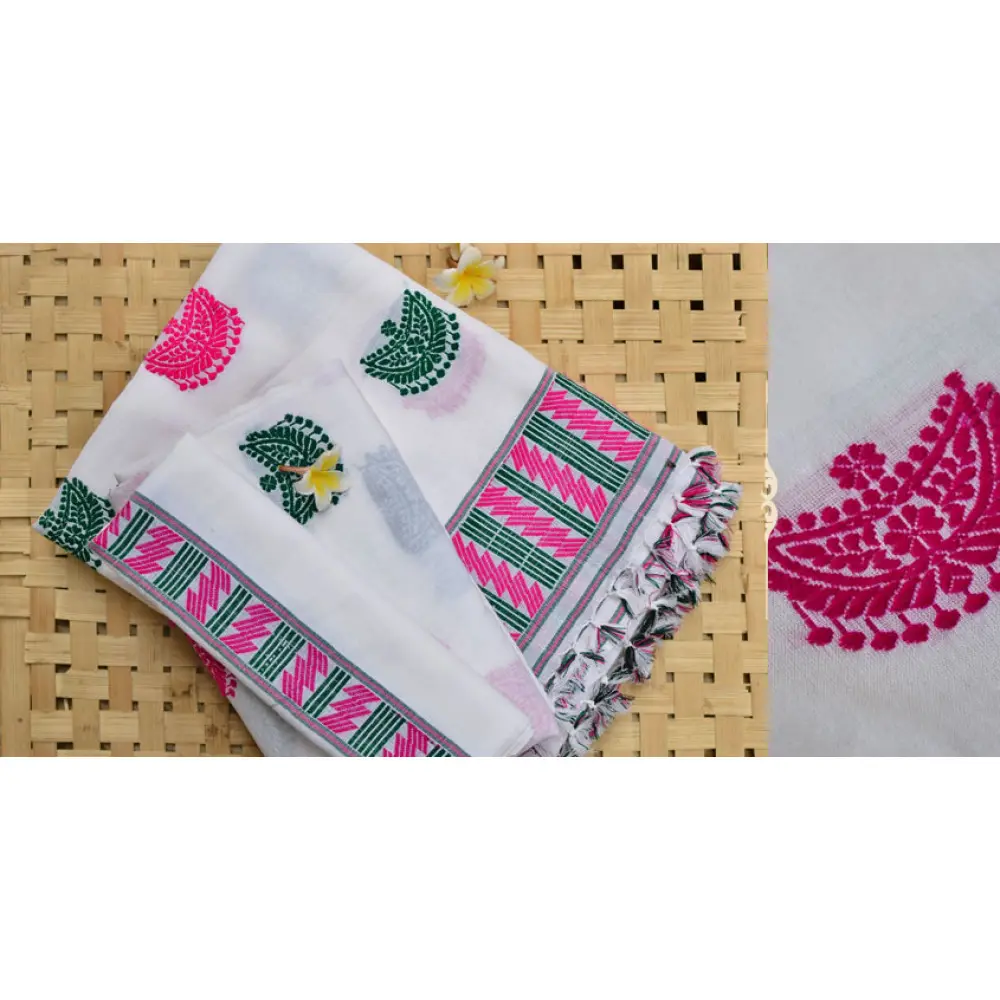
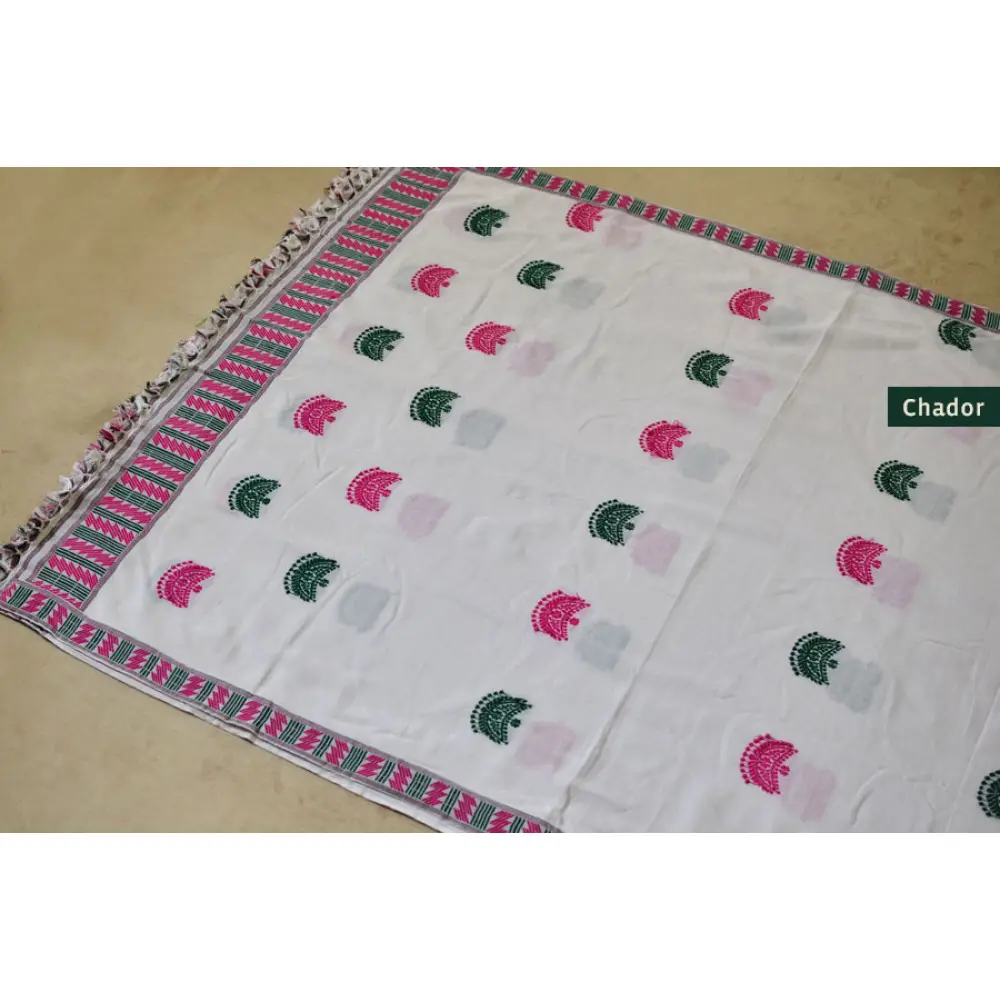
Quite intrigued by this naturally plaing orchestra... Onu watches it all with amazed eyes from the quite canopy of his secret place, the banyan tree. But the Bihugeet & the beautiful attires trigger in him the same sensation of festivity that seems to have taken over the entire village and he rushes down immediately... to find his old grandmother humming the spiritual song. Spinning silk threads with her nimble fingers, her silver mane shines like moonlight against the gold of .... fields... a sight of rare existance ... indicating something special... Like a phenomenon. She speaks “what are you doing here you should be in the fields”. Onu speaks up “you have never been to the fields how do you know this song?” she smiles with a gentle kindness & picks up an old piece of cloth from her side & gives it to him. “This is my first Mekhala Chador, spun & woven by me when I was young. I used to dance all day long wearing this… but that’s all in the past” she murmurs. Mesmerized! Onu looks at the little stories woven into a mere cloth… Every evening thereafter Onu would stop by narrating the bits & pieces of the festivities to her, in his broken but heartfelt expression, making her a part of celebrations again & in return the old lady would feed the kid with some great stories of her times & beyond. She knew it all.... from the forest to the hills…from the bustling flora to the streaming rivers...
One fine day, she took him on a little tour where several Xipini, the female weavers were working... few spinning yarns from fine cotton, few engrossed in dyeing it into vivid colors... "The weaving in Assam is associated with magical, divine power of the woman. Assam has one of the richest traditions of woven textiles made from different materials and by using a variety of techniques.Textiles produced such as mekhela chador, dohkona and risha saris with beautiful designs are collectors' items & a must in every occasion in the Assamese socio-cultural life. Handloom textiles and designs not only have economic importance but are associated with the symbolism of social customs of people here. A weaver also offers the first piece of woven cloth to the family deity and with it they generally decorate the pedestal of the family or community, ‘Namghar’. It is also a custom of significance to show respect to any superior by saluting and offering them with a piece of hand woven cloth."
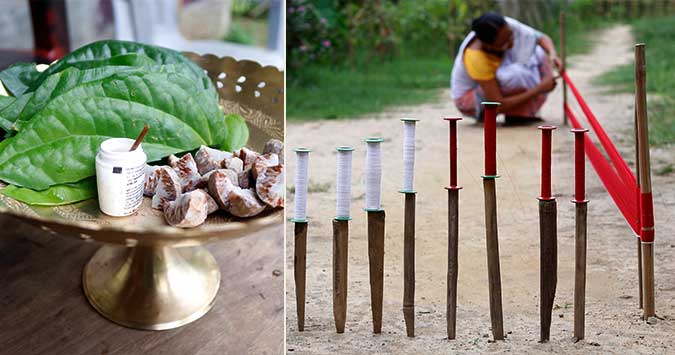
After making an offering of betel leaves and areca nuts to the goddess Bohakarami Ai, the female conception of Biswakarma, the god of Art and Architecture, Assamese woman align all the tools required for the waving process; the spindle, spinning machine, warp drum or pegs, bobins and a loom. Most of the tools are made of bamboo and sometimes wood. The loom & the accessories used by the weavers have remained very simple ever since their inception. Throw-shuttle loom and the loin loom constitute the traditional looms of Assam. Dobby & jacquard machines are mounted on the looms to help weavers with elaborate designs. The traditional handloom, locally called as Sal is used for cotton as well as silk.
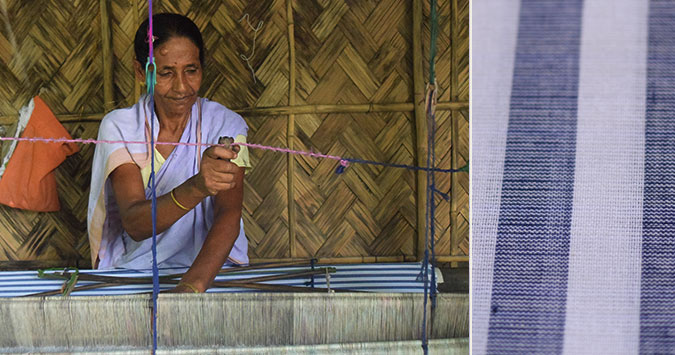
The click-clack of the old loom & big smiles on their faces takes Onu by surprise... readying him to weave all his beautiful childlike narrations. Singing the bihugeet & telling stories about the Assamese warriors who would march to the battlefield wearing ‘wonder working and evil averting KavachKapor or talisman cloth’, the yarn of which must be spun and woven in course of one single night, the women now chatter only through shuttles. The delicate hands move on their own... weaving patterns of nature in a rhythm...the expert hands weaves magic at last!
The celebrations come to an end eventually but the exchange of stories and ideas between them goes on forever. He would tell her about his everyday routine in his broken but adorable to her narration & she would spin all of them into colorful fine threads...










-225x150w.webp "Kopal ❅ Handloom Linen - Embroidered Saree")
-225x150w.webp "Kopal ❅ Handloom Linen - Embroidered Saree")
-225x150w.webp "Kopal ❅ Handloom Linen Embroidered Saree - Sky Blue")
-225x150w.webp "Kopal ❅ Handloom Linen Embroidered Saree - Sky Blue")
-225x150w.webp "A pocket full of joy | Embroidered Potli Purse With Detachable Belt - Light Pinnk")
-225x150w.webp "A pocket full of joy | Embroidered Potli Purse With Detachable Belt - Light Pinnk")
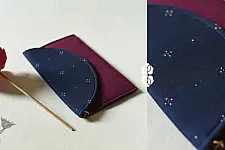
-225x150.webp "Dots & weaves ✣ Tangaliya Sling Bag - Royal Blue")



-225x150w.webp "Ada . अदा | Ajrakh Bandhani Tussar Silk Stole - Black")
-225x150w.webp "Ada . अदा | Bandhani Tussar Silk Dupatta - Heart Design in Greenish Gray Colour")
-225x150w.webp "Ada . अदा | Bandhani Tussar Silk Stole - Grey")