Menu
Your Cart

सूरजमुखी ✺ Handwoven Silk Saree { 9 }

सूरजमुखी ✺ Handwoven Silk Saree { 9 }
Out Of Stock
सूरजमुखी ✺ Handwoven Silk Saree { 9 }
✦ Research-Verified, Direct from Artisans. ✦ Since 2009, Celebrating 15 Years of Trust. ✦ Free Shipping across India.
  • Availability: Out Of Stock
  • Made & Mkt by: Gaatha
  • Product Code: 9005-SA0001
  • Weight: 550.00g
  • Dimensions: 600.00cm x 117.00cm x 0.00cm

Rs.5,624.00
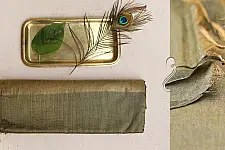
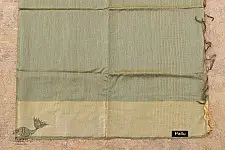
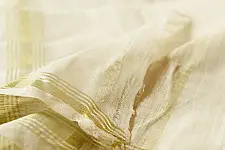
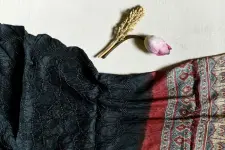
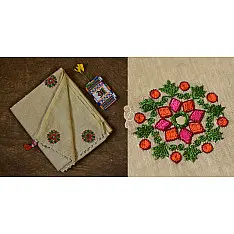
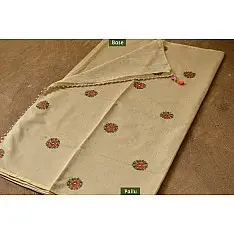
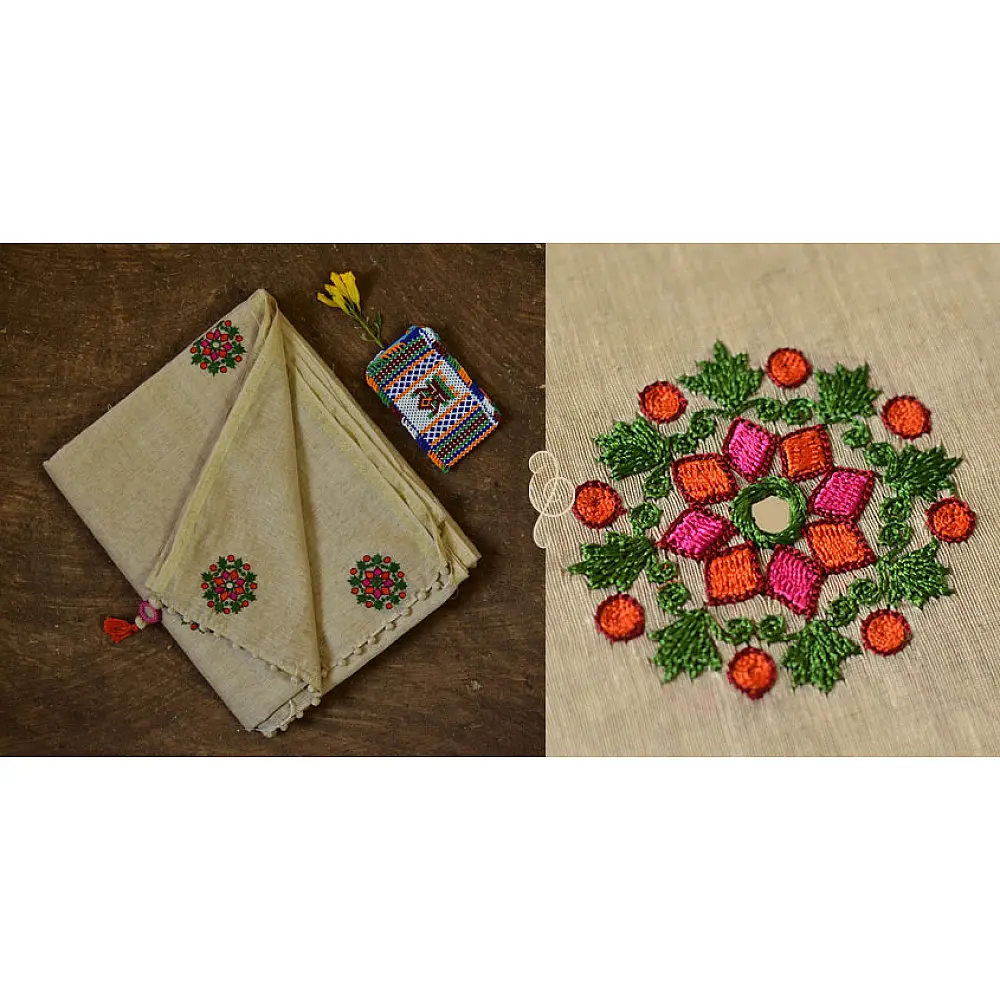
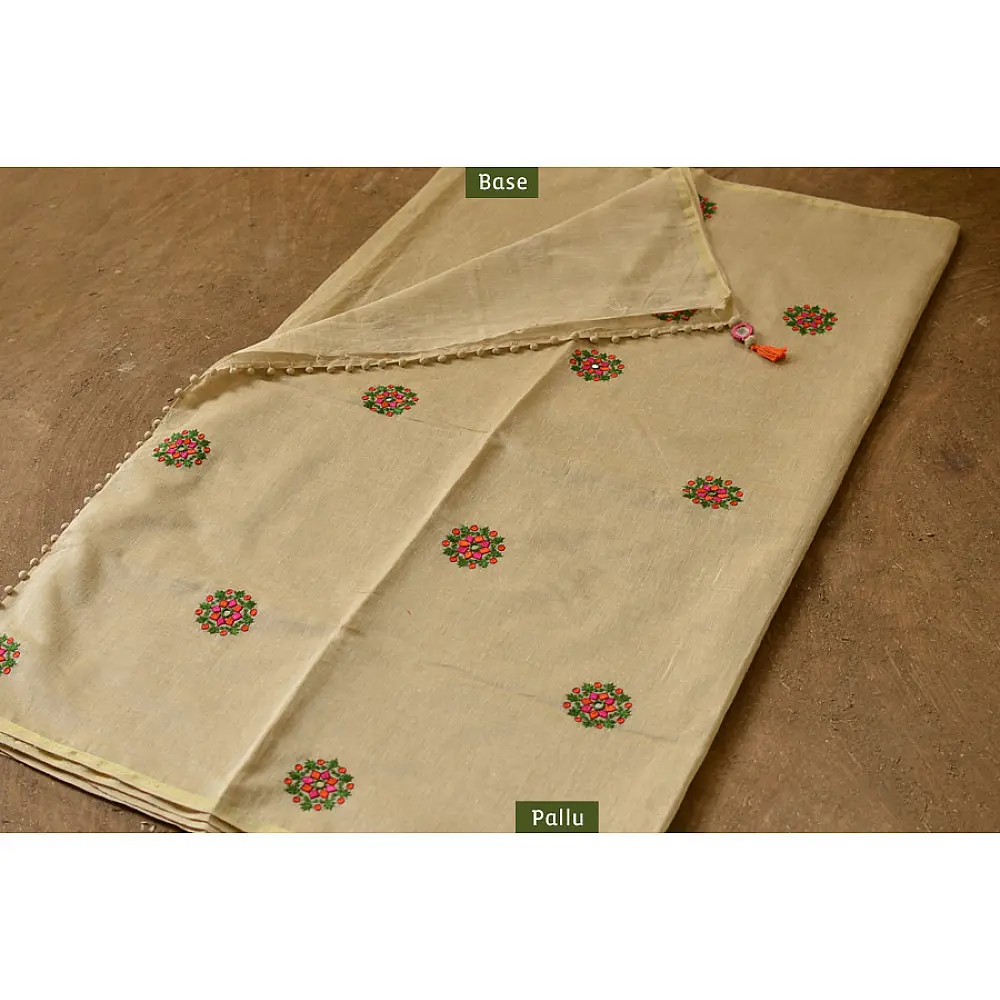
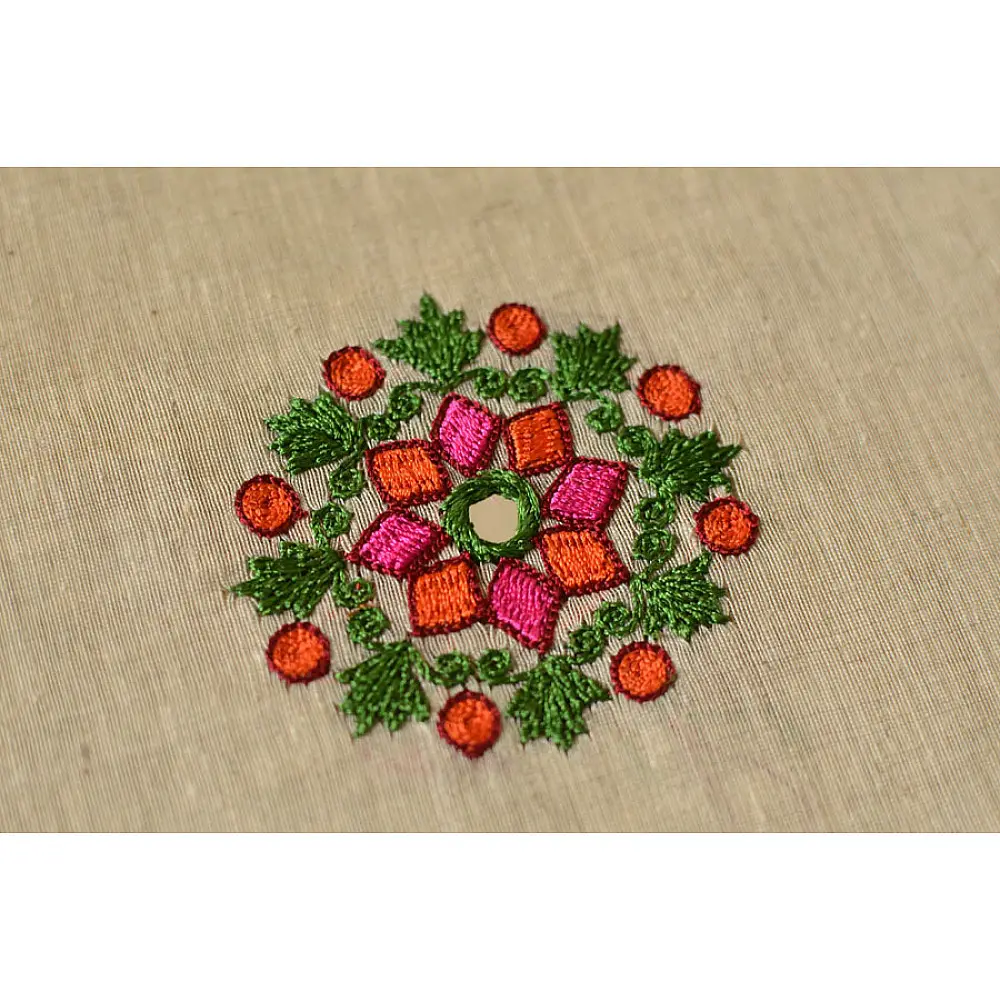
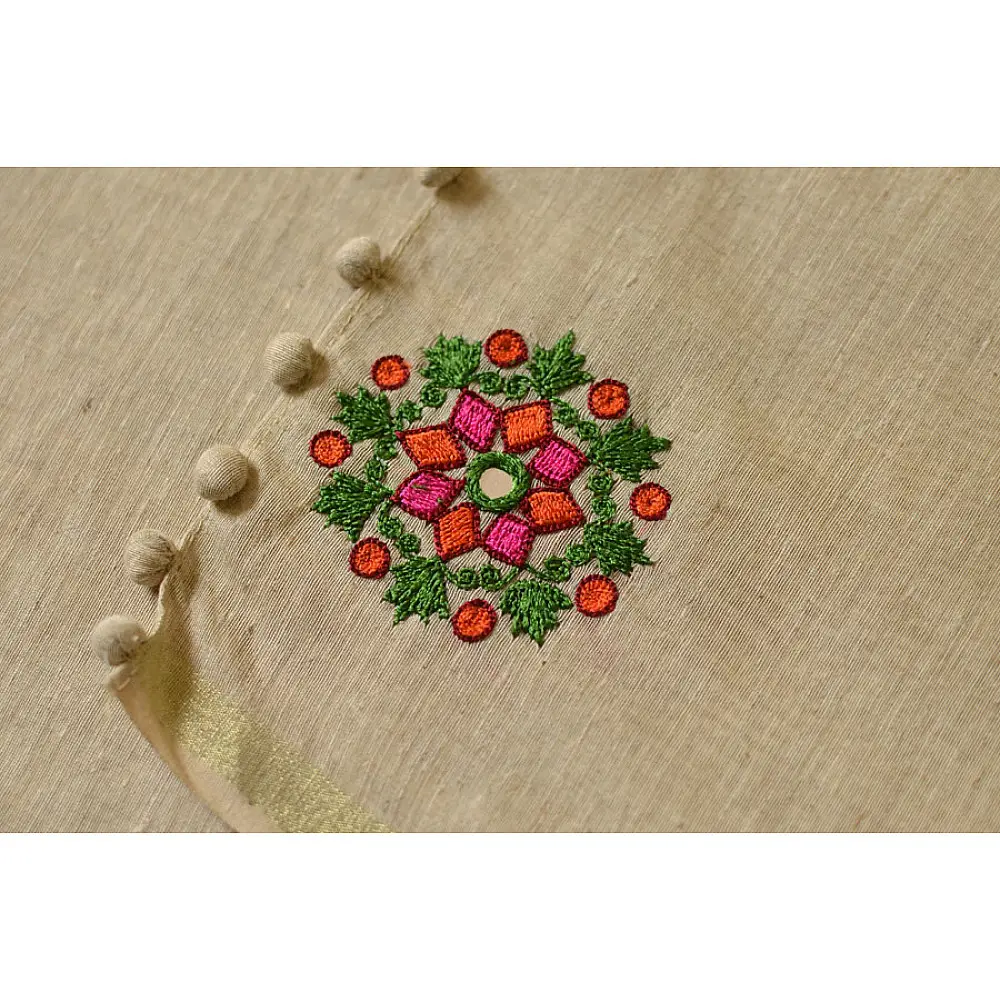
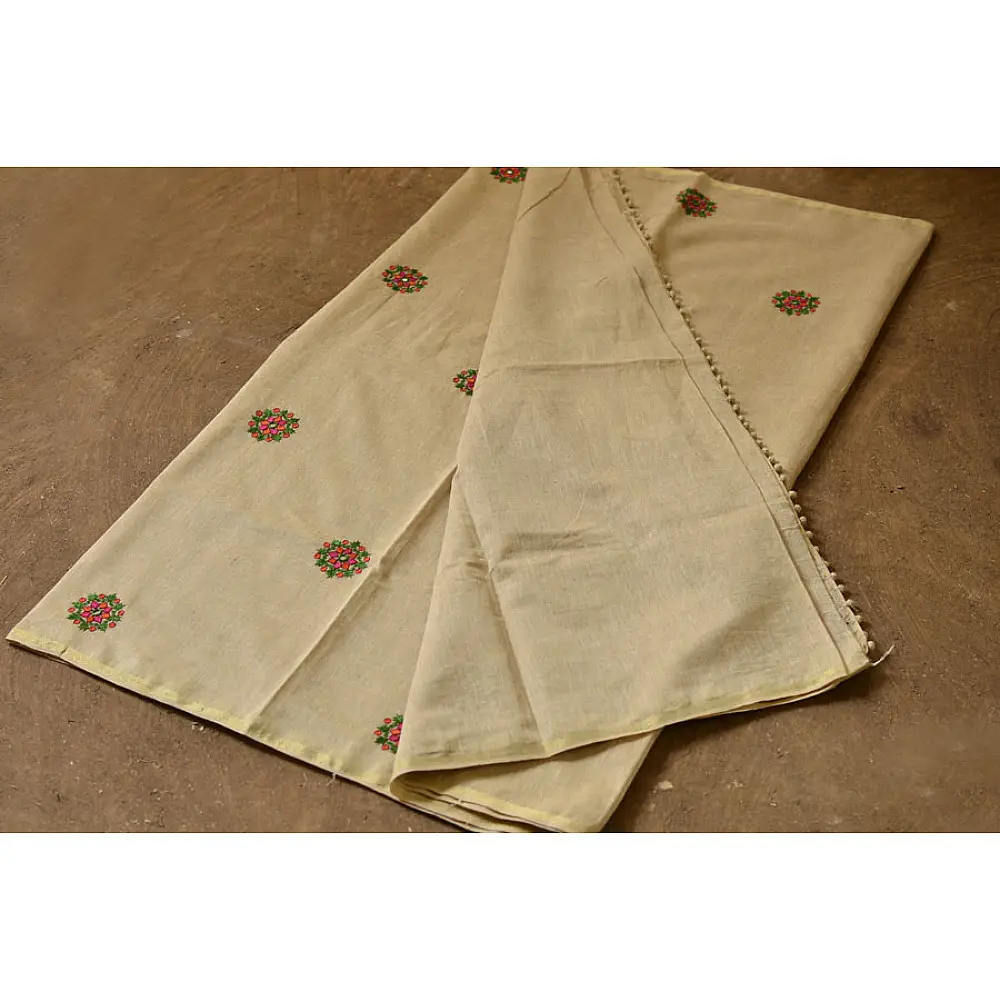
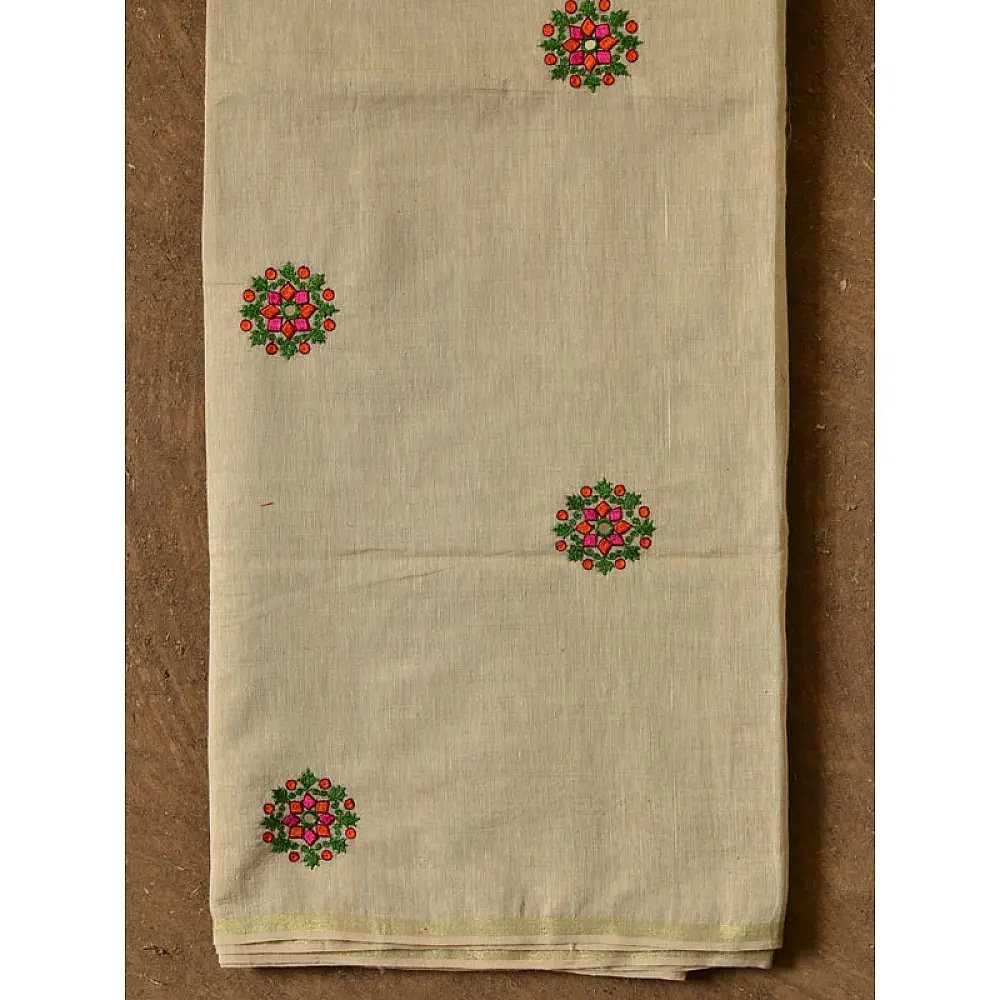
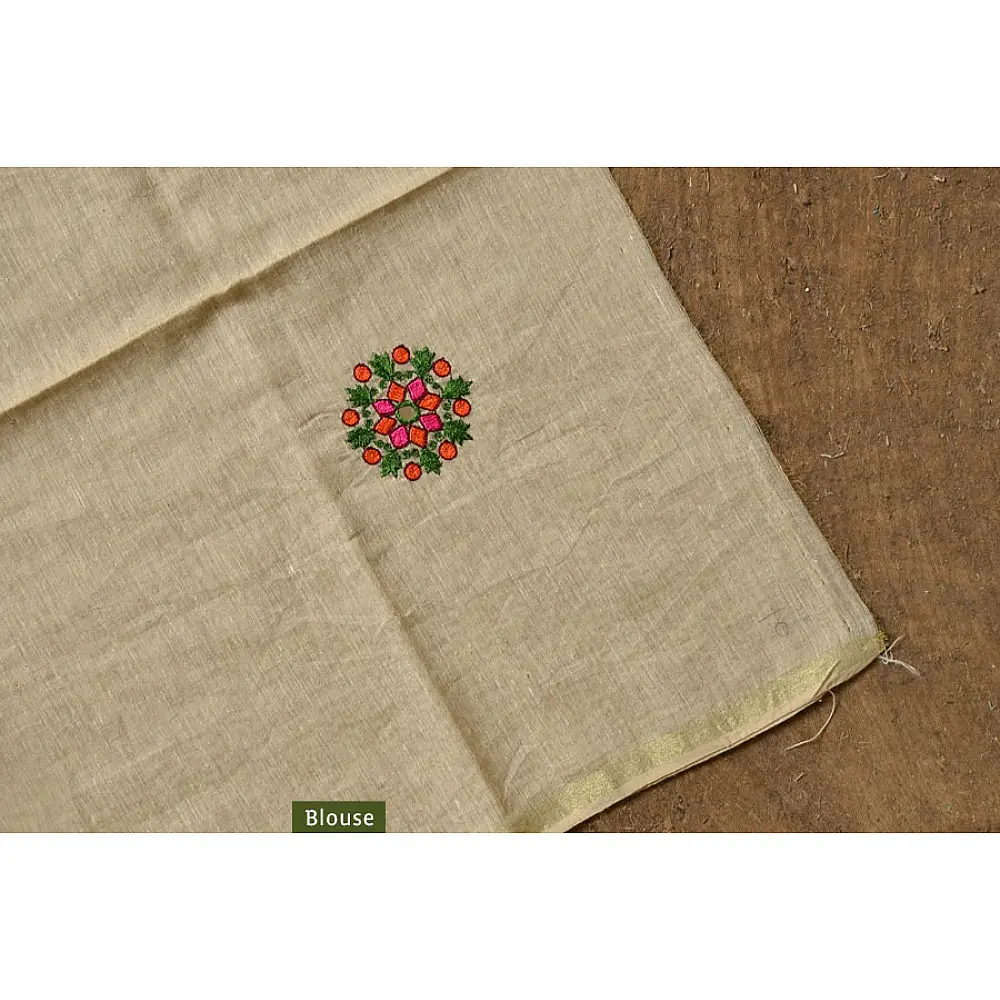
Needle & threads are put to work over these simple weaves ... to grace the occasions coming their way ... it is a play of colors embellished in glitter to spread a universe of prosperity...

The typical dispatch time is 2-3 days; however, in special cases, it may take longer. Please refer to the product details section for specific timelines. Once dispatched, we will share the tracking details with you.
For returns, you can file a request within 24 hours of receiving the product. If the package is damaged, please make a video while unboxing and share images of the damaged item along with your return request.

9328006304 ( WhatsApp )


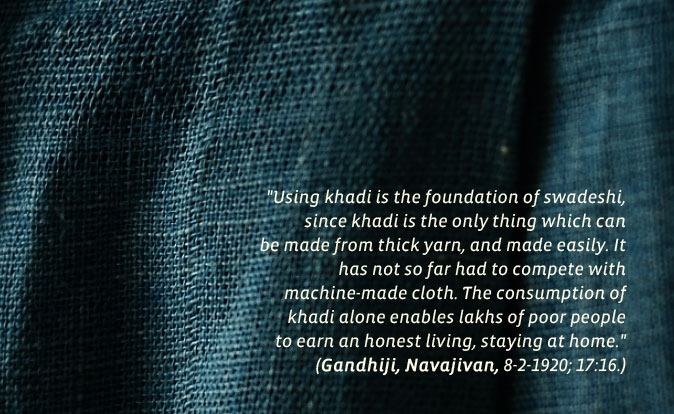
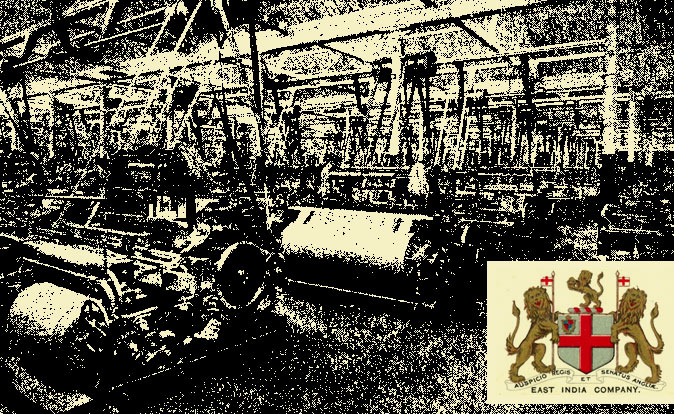
The East India Company imported raw cotton from India while they dumped the local Indian market with inferior machine-made cloth. This led to a great decline in the handloom industry. The khadi weavers were first affected with the subsequent establishment of the powerlooms in India. Imitations of the hand-woven saris and garments were dished out, making it much cheaper and severly affecting the rural scenario. During the Second World War (1939-1945) majority of the Indians turned to hand woven saris. 


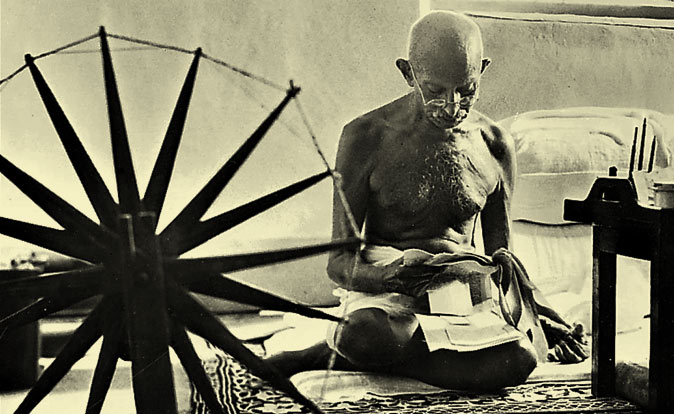
This was further supported by the Swadeshi Movement initiated by Gandhiji where women turned to hand woven khadi fabric in order to shun the English machine made fabric. The effect of the mill spun fabric continued to affect the handloom sector even post-independence.The extent was so large that the Government of India had to ban powerlooms producing certain textiles, one such being the sari. The Government took active interest in reviving traditional saris to prevent it from extinction and provide handloom weavers with a livelihood through the Janata Scheme.
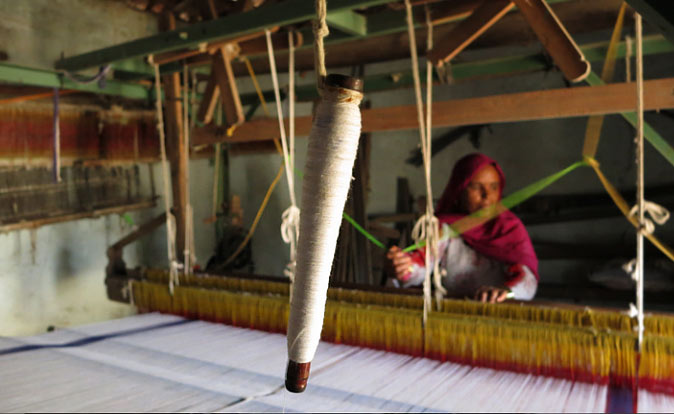
The Janata scheme involved a per sari wage to the weaver and was production centric rather than quality being a concern. The idea was to make the sari as economical and production as high as possible. More number of saris implied more wages for the weaver. This however did not last long. More recently, various state-run schemes are aiding the weavers.


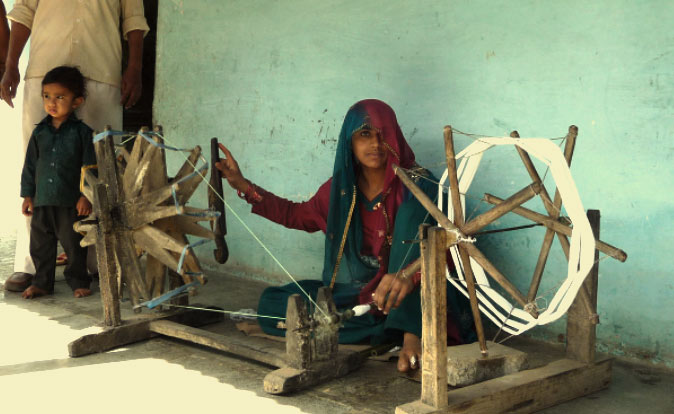
The raw materials may be cotton, silk, or wool, which are spun into threads on a spinning wheel called a charkha. Khadi is a versatile fabric, cool in summers and warm in winters. Being a natural form of material, it crumples much faster than other preparations of cotton. In order to improve the look, khadi is often starched to have a stiffer shape. It is widely accepted in fashion circles these days. 


West Bangal in India is one of the largest producers of Khadi in today's times. The yarn and the looms are sourced easily from the market. The finished products are also sold in the local as well as external markets. The businessmen in kolkata lend weavers yarn and buy finished woven fabrics from them.
Craftsmen
Made by Artisans working with Aartiben
Returns and Exchange
Note The items in this category are not refundable but you may exchange this product with any other product from this category or you may get a coupon.
Material
Made of Khadi Silk
Instruction
Note - Imperfections and variations in the product cannot be termed as defects, as these are intrinsic to the handmade process.

Write a review

Note: HTML is not translated!
Bad Good

Frequently asked question

Every product at Gaatha is handcrafted by artisan communities from different regions of India, each carrying forward generations of traditional knowledge and craftsmanship. Many of our products also pass through the hands of multiple artisans, with each contributing a specialised skill before the piece reaches its final form.

To learn more about the history, techniques, and communities behind a particular craft, we invite you to explore the Craft Story associated with the product. It offers a deeper understanding of the heritage and the people who bring these creations to life.

This is one of the most common questions we receive. Simply put, handloom refers to fabrics that are woven by hand on traditional looms. Handcrafted, on the other hand, refers to products that are created by skilled artisans using traditional craft techniques. For example, a handloom fabric can be transformed into a handcrafted saree, bag, or home décor item through embroidery, stitching, block printing, or other artisan techniques. In short, handloom is the fabric, while handcrafted is the finished product created using that fabric or other traditional materials.

Wash your handloom product gently with a mild detergent and follow the care instructions provided. Silk products are best dry cleaned, while naturally dyed products should be washed separately for the first few washes, as slight colour bleeding is normal. Dry in the shade, avoid harsh chemicals, and store in a cool, dry place to preserve its beauty for years to come.

We take great care in packaging every fragile handcrafted product to ensure it reaches you safely. Wherever possible, we minimise the use of thermocol and instead use secure cushioning and protective packaging suited to the product. Each item is carefully packed to reduce movement during transit and help it arrive in excellent condition.

We make every effort to represent our products as accurately as possible through photography. However, slight variations in colour may occur due to differences in screen settings and lighting conditions.

Since every handcrafted piece is individually made, subtle variations in colour, weave, texture, pattern, or finishing are a natural part of the handmade process. These unique characteristics are not imperfections but a reflection of the artisan's craftsmanship, making every piece truly one of a kind.

The best gifts are those that have a story to tell. Every product at Gaatha is handcrafted by skilled artisans, making each piece unique and meaningful. Whether you're celebrating a wedding, birthday, anniversary, housewarming, or festival, our handcrafted collections offer gifts that are timeless, thoughtful, and made to be cherished. If you're gifting a loved one, we can also include a craft story tag with your order upon request, allowing you to share the story, heritage, and craftsmanship behind your gift.