

- Availability: Out Of Stock
- Made & Mkt by: Gaatha
- Product Code: 4084-C9
- Weight: 4,000.00g
- Package Dimensions: 50.00cm x 30.00cm x 25.00cm

"I am convinced that Swaraj cannot come so long as the tens of millions of our brothers and sisters do not take to the Charkha, do not spin, do not make Khadi and wear it." ~ M.K.Gandhi (Opening speech at Belgaum Congress, 26-12-1924; 25:465)
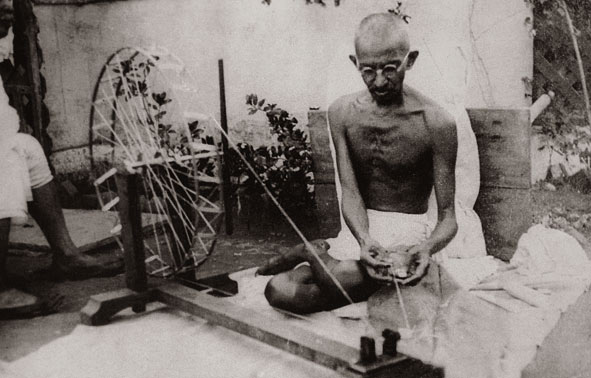
Khadi means hand spun and handwoven cloth. In 1918 Mahatma Gandhi opened his movement for Khadi as a relief programme for the poor masses living in India's villages. Spinning and weaving were elevated to an ideology for self-reliance and self-governance. He appealed not only to those in need, but to each person to do spinning atleast about one hour per day, as a sacrifice to the country, as ones duty towards the suffering countrymen.
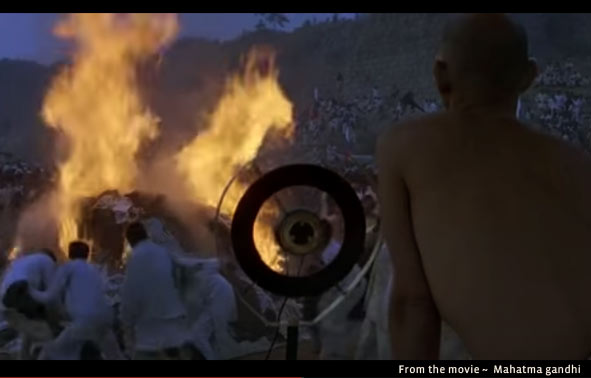
In 1920, at the Nagpur session of Indian National Congress, the Non Cooperation movement was initiated. Khadi was encouraged as a replacement to the boycotted foreign clothes. The first Khadi Production Centre was established at Kathiawar, Gujarat. Mahatma Gandhi referred to Khadi as "The livery of freedom".
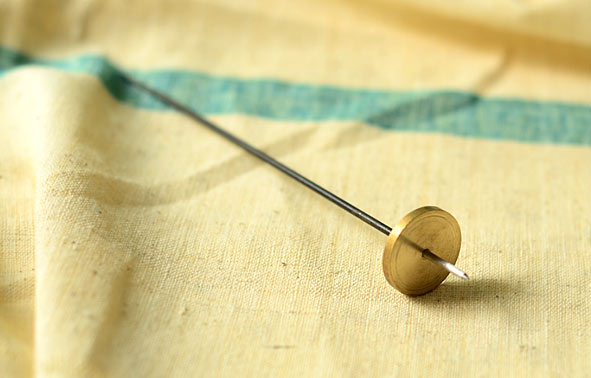
Different tribes in India were already involved in making yarn through spinning since thousands of years. They used a simple tool called 'Takli' to spin the raw cotton on a vertical spindle. Charkha came as a better tool to produce the same. Also, manufacturing it supported a niche group of artisans (involved in wood work).
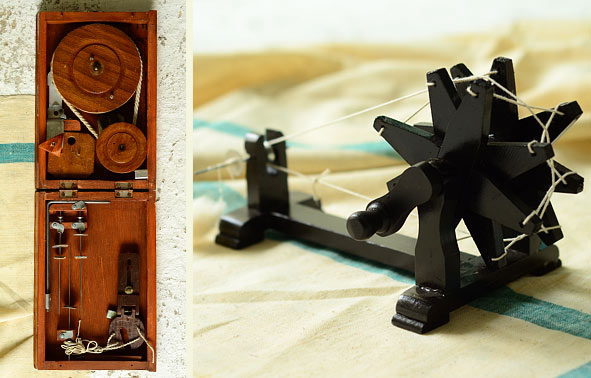
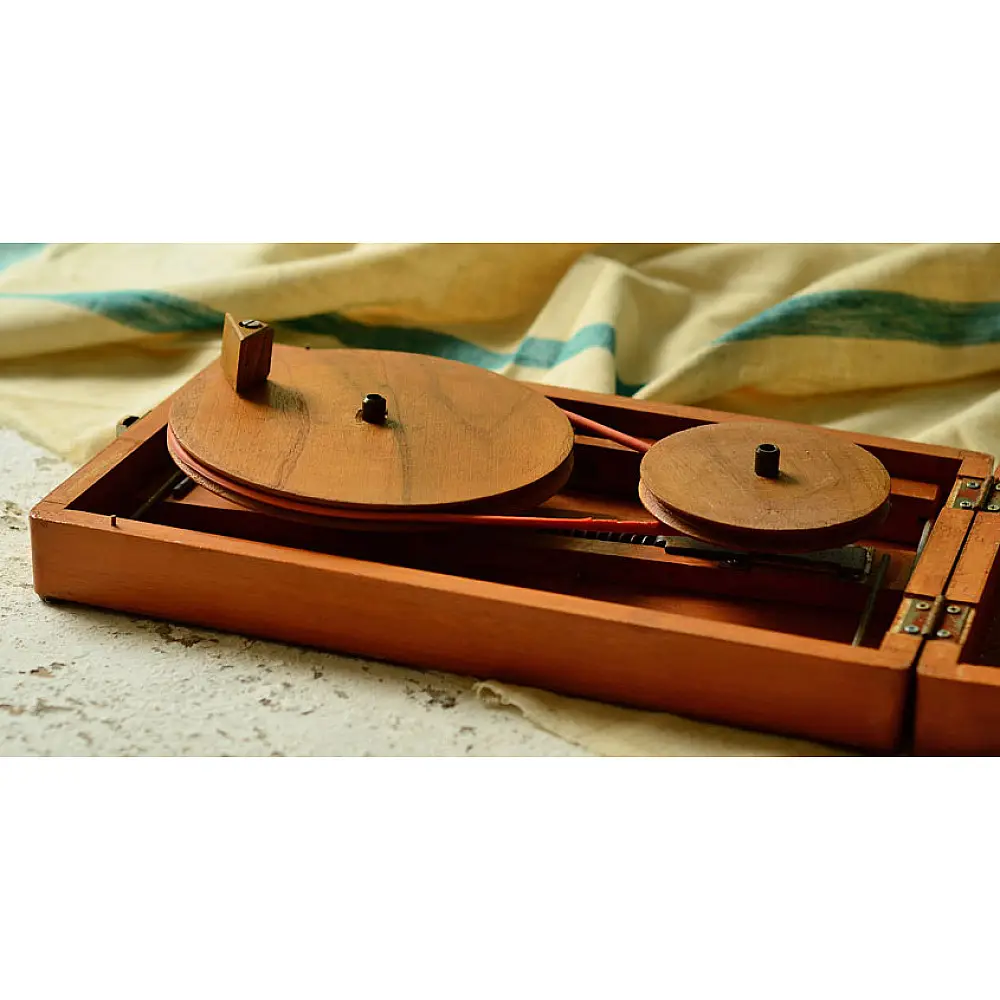
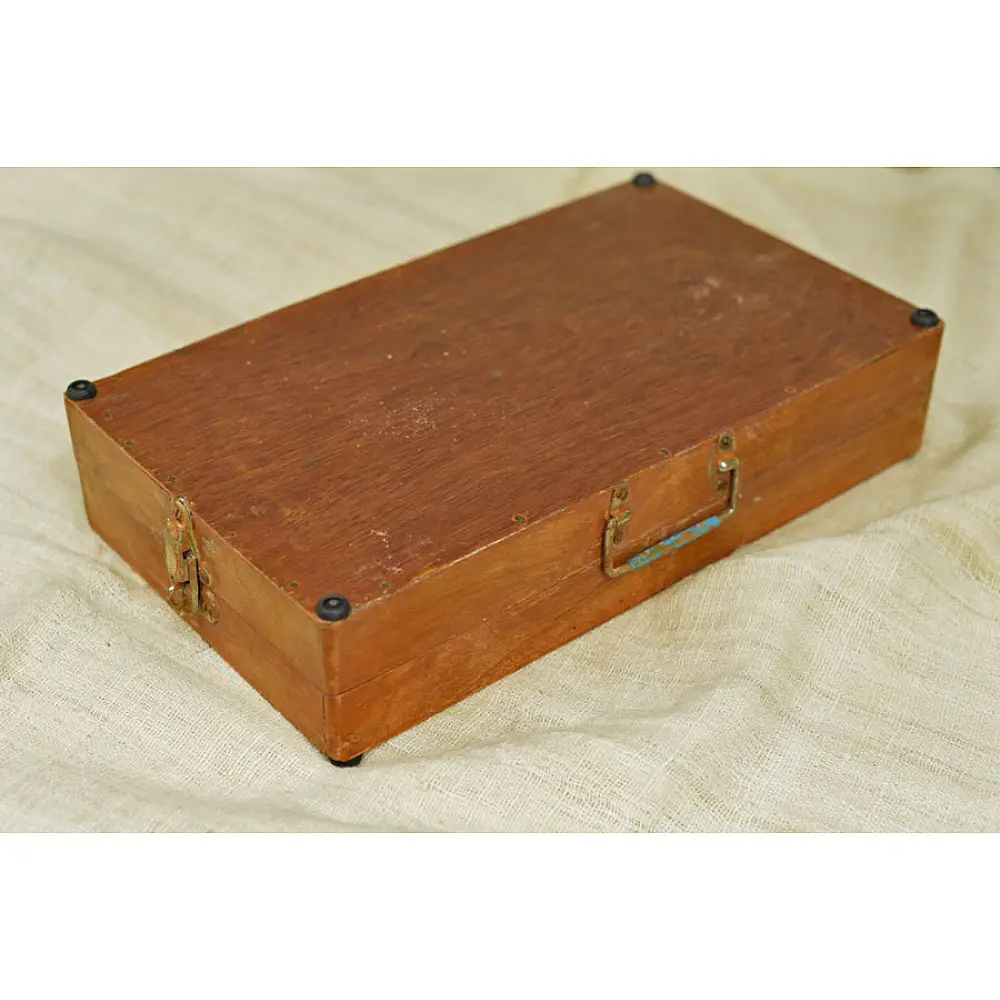
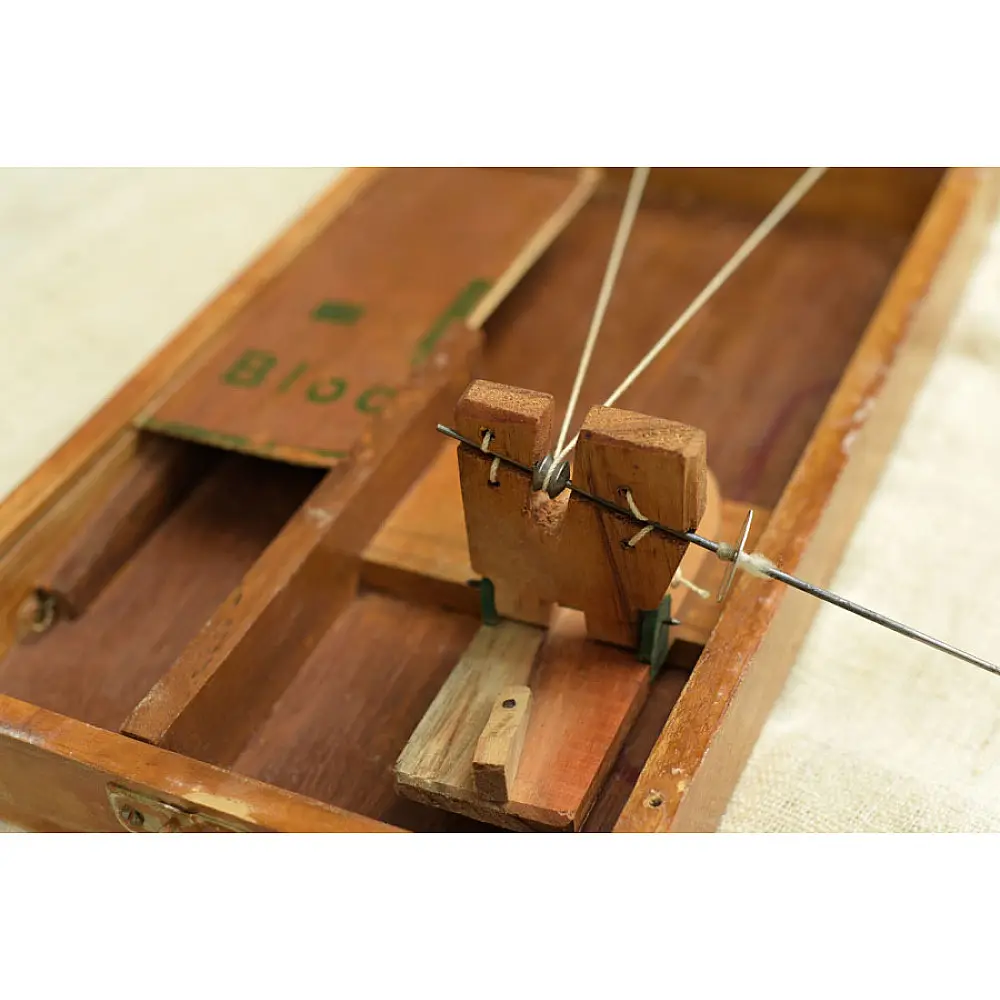
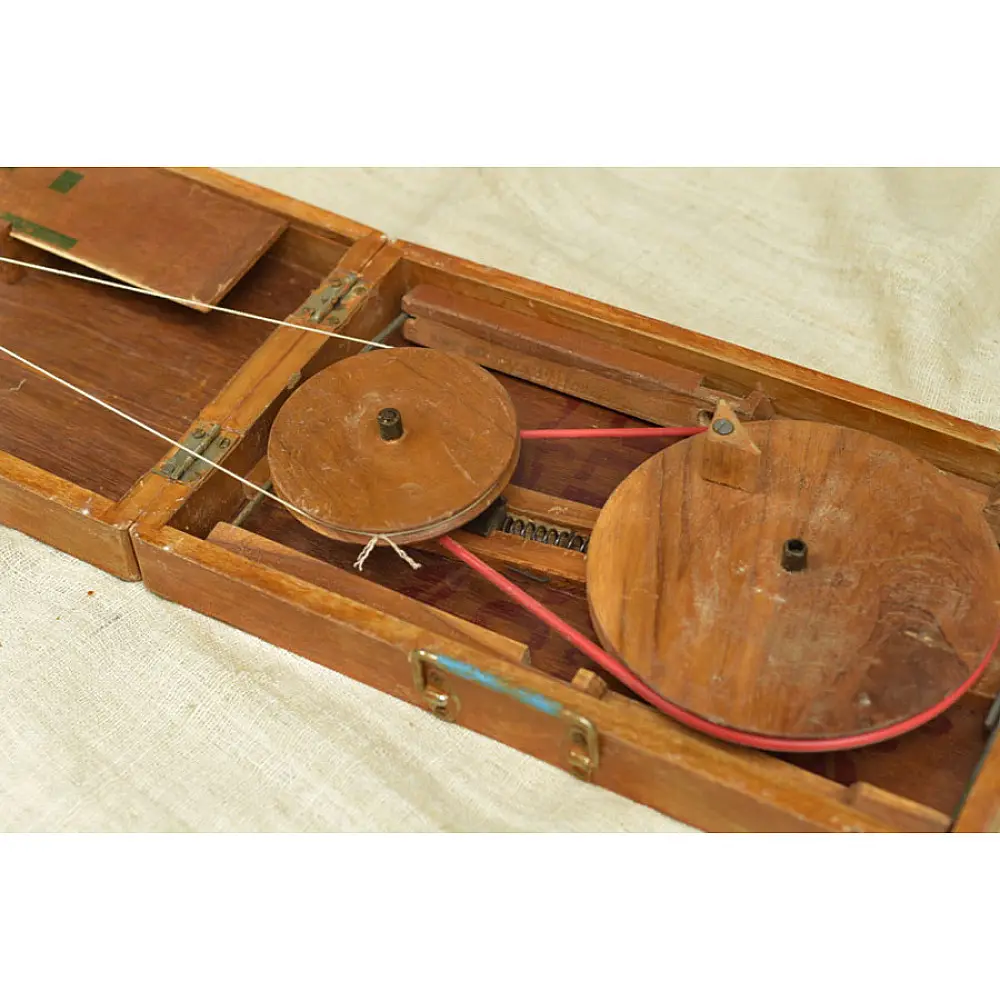
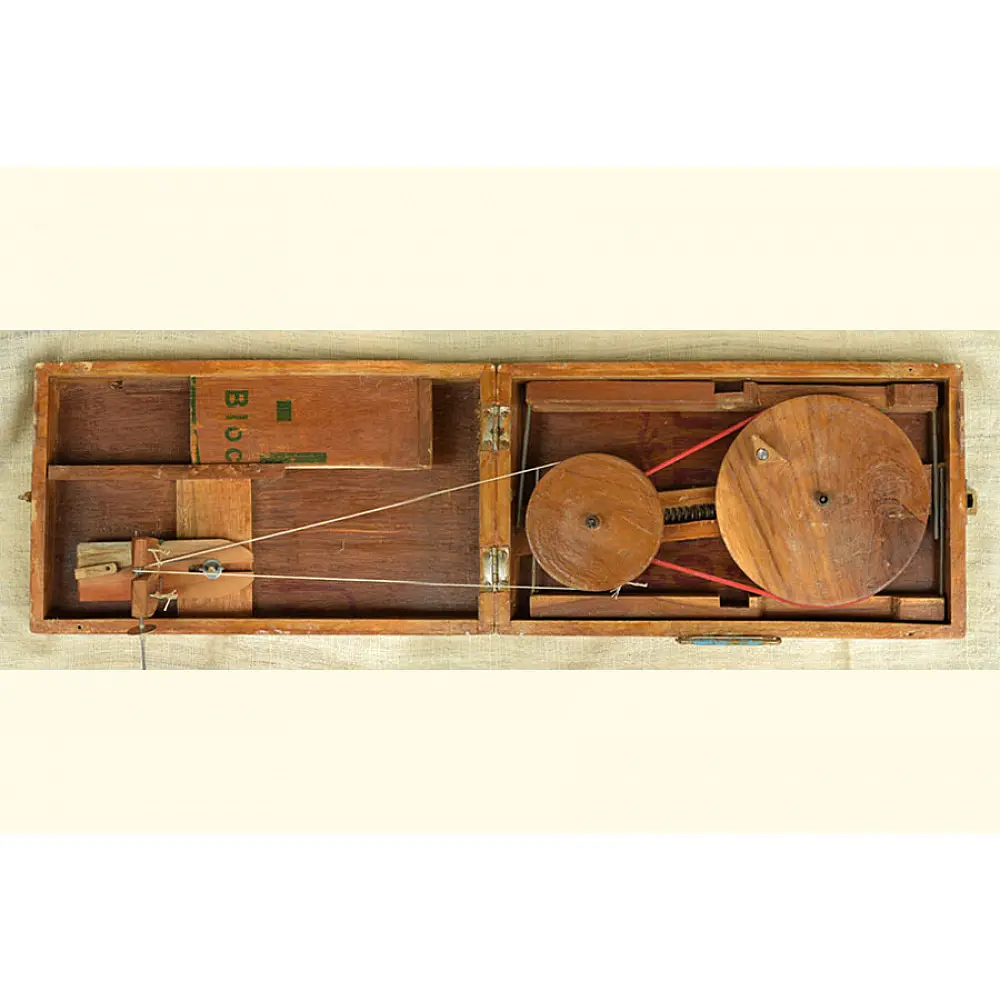
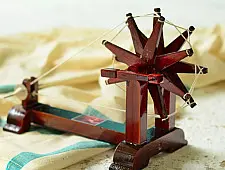
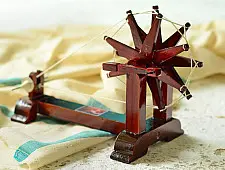
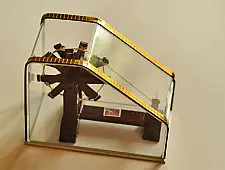
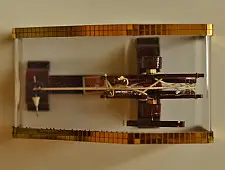
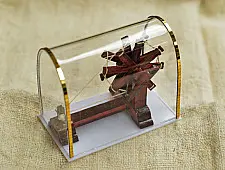
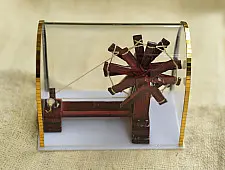
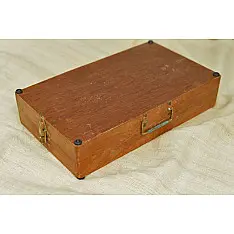
There are mainly two types of charkha - a) Bardoli Charkha, which has a box-form and is known to be invented by Gandhi Ji b) Yerwada Charkha, which has a regular form one gets to see in many weavers' houses. Both the names come from the Jails, where Gandhi Ji was incarcerated during freedom struggle.
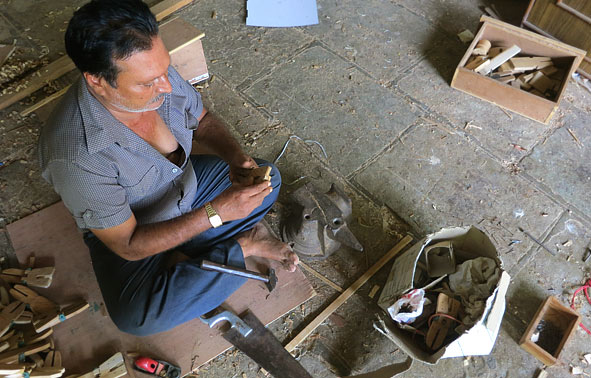
Charkha is mainly made out of wood. Craftsmen first make different parts like - akcha madiya, akca paritachap, clip etc. and then later assemble them. Many types of small tools and machine for wood-work are used in the process. Ahmedabad and Vardha are the two main centers of manufacturing Charkha.
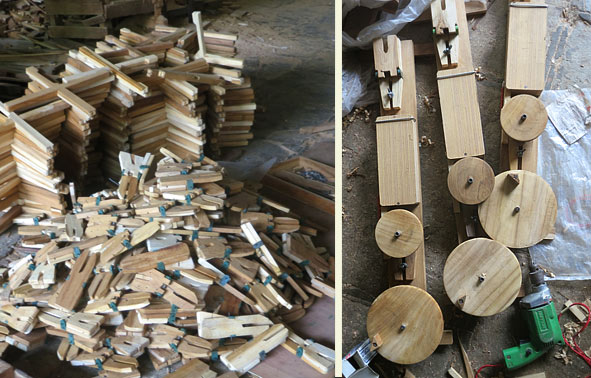
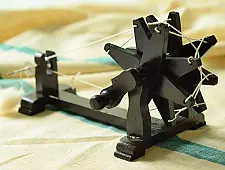
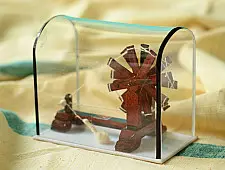
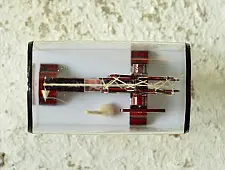
Today, craftsmen have also started making miniature forms of Charkha, which people use mainly as a souvenir or as a memento. " Gujarat Vidhya Peth at Ahmedabad is the only place where Charkha is still in use", as told by Kanthi Bhai ~ (from Kalamkush). "I see khadi dying. Hence, if khadi, which is the main plank of the constructive programme, is to be saved, it ought to become self-supporting. Those who do not spin have no right to wear khadi. All those who wear khadi must spin so that khadi may survive." ~ M.K.Gandhi
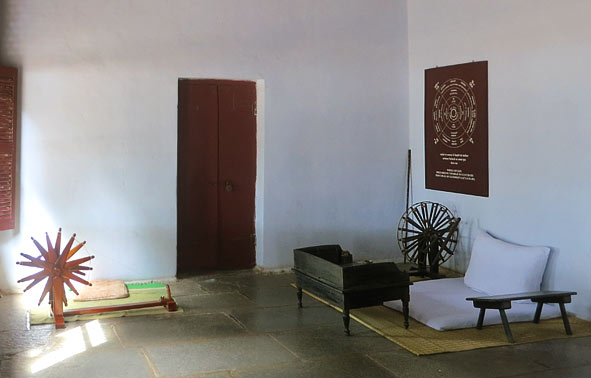
Khadi & Charkha were not only the means to achieve freedom. They were part of spiritual nourishment as a meditation for all people. It helped sustain the freedom struggle for decades & attain it. Now more than 60 years in Independent India, are the two symbols fading away from our daily lives?
Related Products






-225x150w.webp "Kopal ❅ Handloom Linen - Embroidered Saree")
-225x150w.webp "Kopal ❅ Handloom Linen - Embroidered Saree")
-225x150w.webp "Kopal ❅ Handloom Linen Embroidered Saree - Sky Blue")
-225x150w.webp "Kopal ❅ Handloom Linen Embroidered Saree - Sky Blue")
-225x150w.webp "A pocket full of joy | Embroidered Potli Purse With Detachable Belt - Light Pinnk")
-225x150w.webp "A pocket full of joy | Embroidered Potli Purse With Detachable Belt - Light Pinnk")
-225x150.webp "Dots & weaves ✣ Tangaliya Sling Bag - Royal Blue")



-225x150w.webp "Ada . अदा | Ajrakh Bandhani Tussar Silk Stole - Black")
-225x150w.webp "Ada . अदा | Bandhani Tussar Silk Dupatta - Heart Design in Greenish Gray Colour")
-225x150w.webp "Ada . अदा | Bandhani Tussar Silk Stole - Grey")
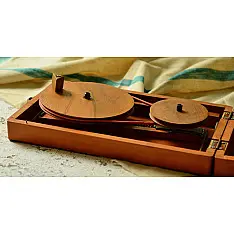
-234x234.webp "Sadaa . सदा ✡ Begampuri Handloom Pure Cotton Saree - Grey")
-234x234.webp "Sadaa . सदा ✡ Begampuri Handloom Pure Cotton Saree - Grey")