/04_07_2022/saalmi-assamese-silk-saree-with-deep-purple-colour-1000x1000w.webp "buy Assamese Silk Saree - Deep Purple")
/05_07_2022/121-(1)-1-1000x1000w.webp "buy Assamese Silk Saree - Deep Purple")
/05_07_2022/121-(2)-1-1000x1000w.webp "buy Assamese Silk Saree - Deep Purple")
/05_07_2022/121-(3)-1000x1000w.webp "buy Assamese Silk Saree - Deep Purple")
/05_07_2022/121-(4)-1000x1000w.webp "buy Assamese Silk Saree - Deep Purple")
/05_07_2022/121-(5)-1000x1000w.webp "buy Assamese Silk Saree - Deep Purple")
/04_07_2022/saalmi-assamese-silk-saree-with-deep-purple-colour-80x80w.webp "buy Assamese Silk Saree - Deep Purple")
/05_07_2022/121-(1)-1-80x80w.webp "buy Assamese Silk Saree - Deep Purple")
/05_07_2022/121-(2)-1-80x80w.webp "buy Assamese Silk Saree - Deep Purple")
/05_07_2022/121-(3)-80x80w.webp "buy Assamese Silk Saree - Deep Purple")
/05_07_2022/121-(4)-80x80w.webp "buy Assamese Silk Saree - Deep Purple")
/05_07_2022/121-(5)-80x80w.webp "buy Assamese Silk Saree - Deep Purple")
- Availability: Out Of Stock
- Made & Mkt by: Bibaar ( By Bandita)
- Product Code: 4007-BSB22-BIB-123-13
- Weight: 750.00g
- Package Dimensions: 30.00cm x 25.00cm x 10.00cm

What do you call a sleepy village in Assam, where the entire population weaves magic with silk? “Silk-haven”, “Manchester of the East”, “Manchester of Assam”. Yes, these are a few synonyms given to Sualkuchi (pronounced Hualkusi) because of its large number of textile industries. Situated some 30 km from Guwahati in Assam, on the bank of the mighty river Brahmaputra, this picturesque village is a haven for silk fabrics ranging from the golden Muga to the ivory white ‘Pat’ and the light beige ‘Eri’ or ‘Endi’ silks. Out of which, Muga & Eri, also known as Ahimsa Silk are native only to Assam.
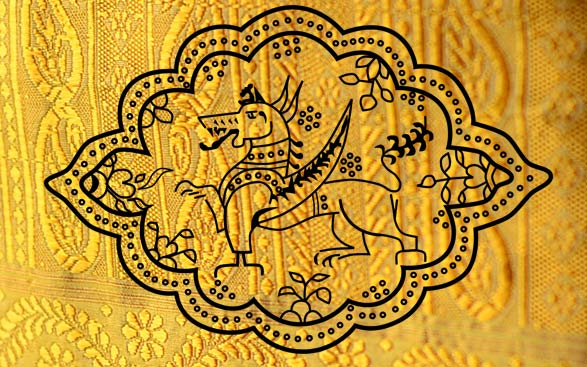
Sualkuchi as a silk weaving village was established in the 17th century by Momai Tamuli Barbarua, a great administrator of the Ahom Kingdom during the reign of King Swargadeo Pratap Singha (1603-1641). However, silk weaving in Sualkuchi actually has been traced back to around 10th-11th centuries when King Dharma Pal of the Pala dynasty sponsored the craft by bringing the Tanti weaving community from Tantikuchi to Sualkuchi. The village even finds mention in Kautilya’s Arthashastra by the name of Suvarnakudya of ancient Kamrupa, where the best quality of Patrorna (Pat) was produced around the 4th century BC. Suvarnakudya was probably known later as Swarnakuchi, which probably became Sualkuchi in the end. The village took shape as a weaving village when the Ahoms occupied Sualkuchi by defeating the Mughals in the mid-17th century. Patronized by the Pala and the Ahom kings, the craft established itself and during that period, it was a luxury afforded only by the royalty and the noble families of Assam.
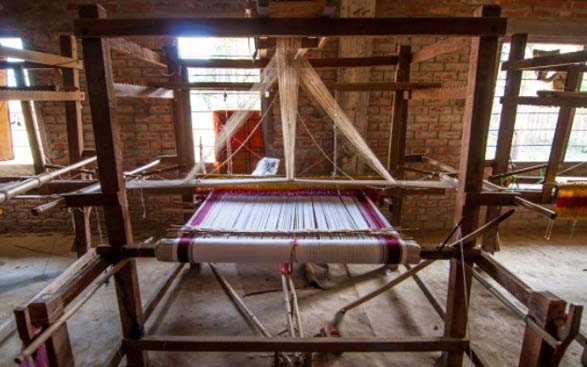
Originally, Sualkuchi was a ‘craft village, home to several cottage industries like handloom weaving, oil processing, pottery, gold making etc. But all of these, other than weaving have almost become extinct. The weaving industry of Sualkuchi remained confined to the Tanti community till the 1930s. Later on, people from other communities also took up silk weaving. Even some fishermen and Brahmin communities took to weaving as their main source of income as handloom was emerging as the most profitable source of income. The weaving industry of Sualkuchi received a major boost during the 2nd World War. Slowly, almost the entire village took up weaving.
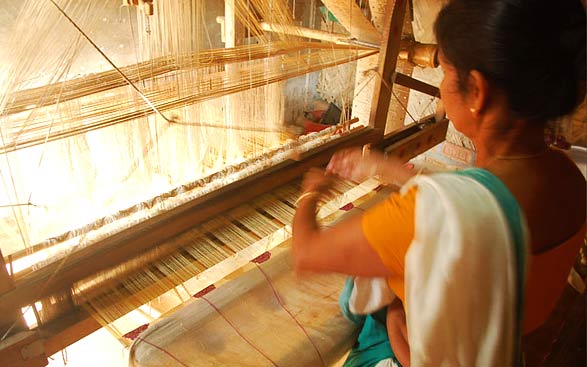
Weaving comes naturally to the natives of this village. It is ingrained in their lifestyle. Expert weavers from other districts also throng this place for its commercial prominence. Infact, the migrant weavers who work on wages are dominating the locals at present. The women weavers outnumber the male weavers. Though cotton and khadi textiles are also woven but silk weaving is more prominent and well known.
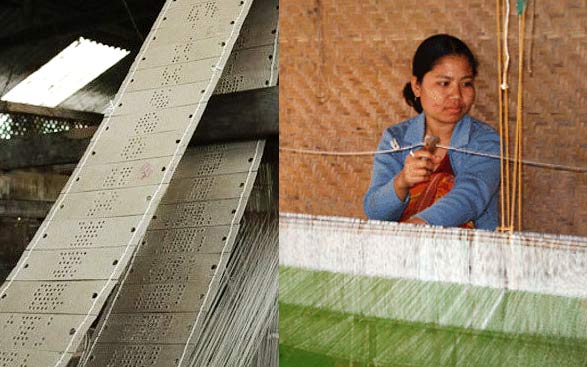
As one walks the numerous tiny streets of Sualkuchi, one can hear the rhythmic sounds made by the looms and the flying shuttles. It is spellbinding to see these women & men at work. The rhythmic movements of hands & legs on looms turn silk threads into magnificent fabrics, with the help of punched cards surfacing gorgeous woven motifs. These premeditated motifs are first drawn on graph papers. Then holes are punched on rectangular cardboards along the lines of the design to make the punched cards. The woven motifs are mostly inspired from the flora & fauna found in the state, ranging from various flowers to peacocks, deer & rhinos etc. Another common motif is of the ‘Jaapi’ or the traditional Assamese hat. Weaving one saree takes about 6 days and sometimes more depending on the design. During the period of the royalties, only golden zari was used for the woven motifs but late as weaving became more commercialized, silk & even cotton threads for the motifs were used.
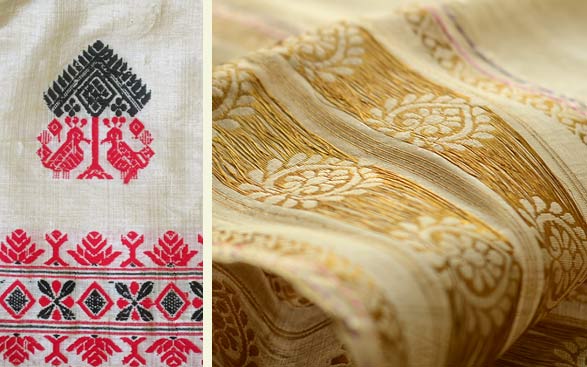
Out of the three types of silks indigenous to Assam, the Muga silk is naturally golden in color and is known for its durability, often outliving its owner. This silk is produced by the silkworm Antheraea assamensis. It is known to become glossier with each wash. The Pat silk is ivory white in color and is produced from the Bombyx textor silkworm. The light beige Endi or Eri silk is produced from the Samia cynthia ricini and is also known as the ‘Ahimsa silk’ as its production allows the development of the pupae into adults and then only the open-ended cocoon is utilized for silk manufacturing. Eri is famous as shawls because of its natural warmth & softness. These silks can also be dyed into various colors if required.
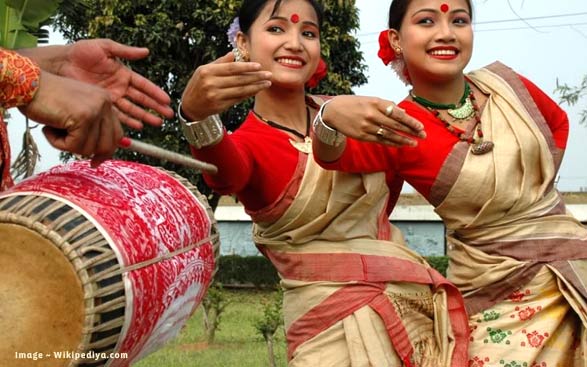
Nowadays, the rising prices of these indigenous silks have led to some weavers importing cheaper yarns from other places like Mysore and Bhagalpur. This has led to the mixing of these imported ones with the indigenous ones making them more affordable at the cost of quality. The streets of Sualkuchi are lined by numerous silk shops, selling variants of traditional, native silk with the blended ones. These are visited by locals, national & international visitors who take away with them, with these immaculately woven pieces of fabric is a sensory treat to be cherished all their lives. Story and images by ~ Bandita Mushahary
-225x150w.webp "Ishana . इशाना ✯ German Silver Dual-Line Textured Bead Choker Necklace:")
-225x150w.webp "Ishana . इशाना ✯ German Silver Dual-Line Textured Bead Choker Necklace:")
-225x150w.webp "Ishana . इशाना ✯ German Silver Pinecone Motif Hasli Choker Necklace - B")
-225x150w.webp "Ishana . इशाना ✯ German Silver Pinecone Motif Hasli Choker Necklace - B")
-225x150w.webp "Ishana . इशाना ✯ German Silver Triangular Spike Choker Necklace: - A")
-225x150w.webp "Ishana . इशाना ✯ German Silver Triangular Spike Choker Necklace: - A")
-225x150w.webp "Ishana . इशाना ✯ German Silver Lotus Motif Earring")
-225x150w.webp "Ishana . इशाना ✯ German Silver Lotus Motif Earring")
-225x150w.webp "Ishana . इशाना ✯ German Silver Earring - Elephant Motif")
-225x150w.webp "Ishana . इशाना ✯ German Silver Earring - Elephant Motif")
-225x150w.webp "Ishana . इशाना ✯ German Silver Earring - B")
-225x150w.webp "Ishana . इशाना ✯ German Silver Earring - B")
-225x150w.webp "Ishana . इशाना ✯ German Silver Earring - A")
-225x150w.webp "Ishana . इशाना ✯ German Silver Earring - A")
-225x150w.webp "Sadaa . सदा ✡ Begampuri Cotton Saree - Blue")
-225x150w.webp "Handmade Wooden Hanging Mask - Ganesha")
-225x150w.webp "Handmade Wooden Hanging Mask - Ganesha")
-225x150w.webp "Terracotta Tales | Pottery Art ~ Owl T Light Holder")
-225x150w.webp "Terracotta Tales | Pottery Art ~ Owl T Light Holder")
-225x150w.webp "Prabha . प्रभा | Unique Dhokra Brass Earring")
-225x150w.webp "Prabha . प्रभा | Unique Dhokra Brass Earring")
-225x150h.webp "Gulmohar . गुलमोहर - Handwoven Tangaliya Cotton Dupatta - Navy Blue")



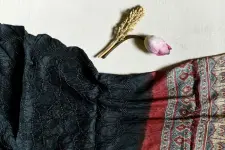
-225x150w.webp "Ada . अदा | Ajrakh Bandhani Tussar Silk Stole - Black")
-225x150w.webp "Ada . अदा | Bandhani Tussar Silk Dupatta - Heart Design in Greenish Gray Colour")
-225x150w.webp "Ada . अदा | Bandhani Tussar Silk Stole - Grey")
/04_07_2022/saalmi-assamese-silk-saree-with-deep-purple-colour-234x234w.webp "Saalmi | Assamese Silk Saree with Deep Purple Colour")
/05_07_2022/121-(1)-1-234x234w.webp "Saalmi | Assamese Silk Saree with Deep Purple Colour")