Menu
Your Cart

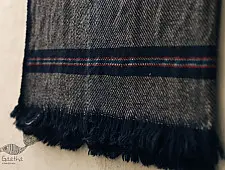
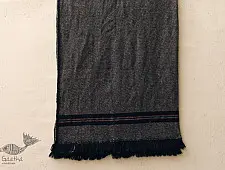
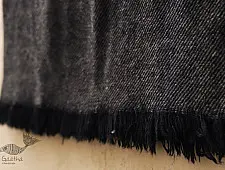
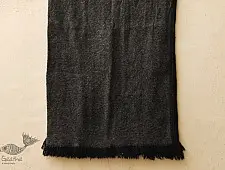
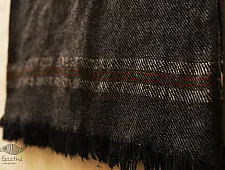
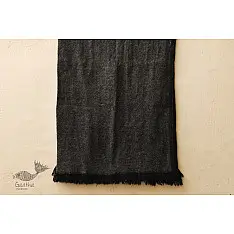
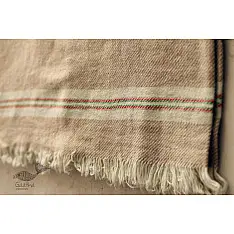
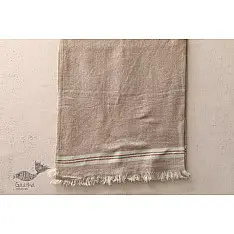
Cozy throws { B6 }

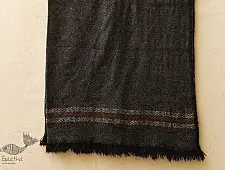
Cozy throws { B6 }
Cozy throws { B6 }
Cozy throws { B6 }
Cozy throws { B6 }
Cozy throws { B6 }
Cozy throws { B6 }
Cozy throws { B6 }
✦ Research-Verified, Direct from Artisans. ✦ Since 2009, Celebrating 15 Years of Trust. ✦ Free Shipping across India.
Rs.1,800.00
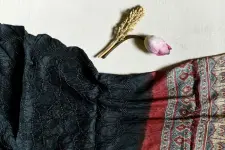
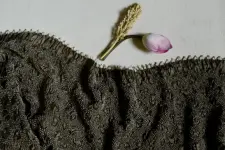
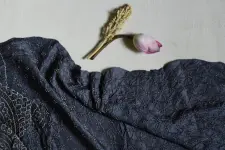
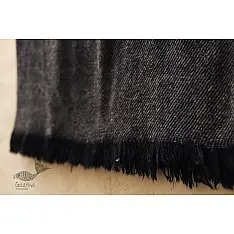
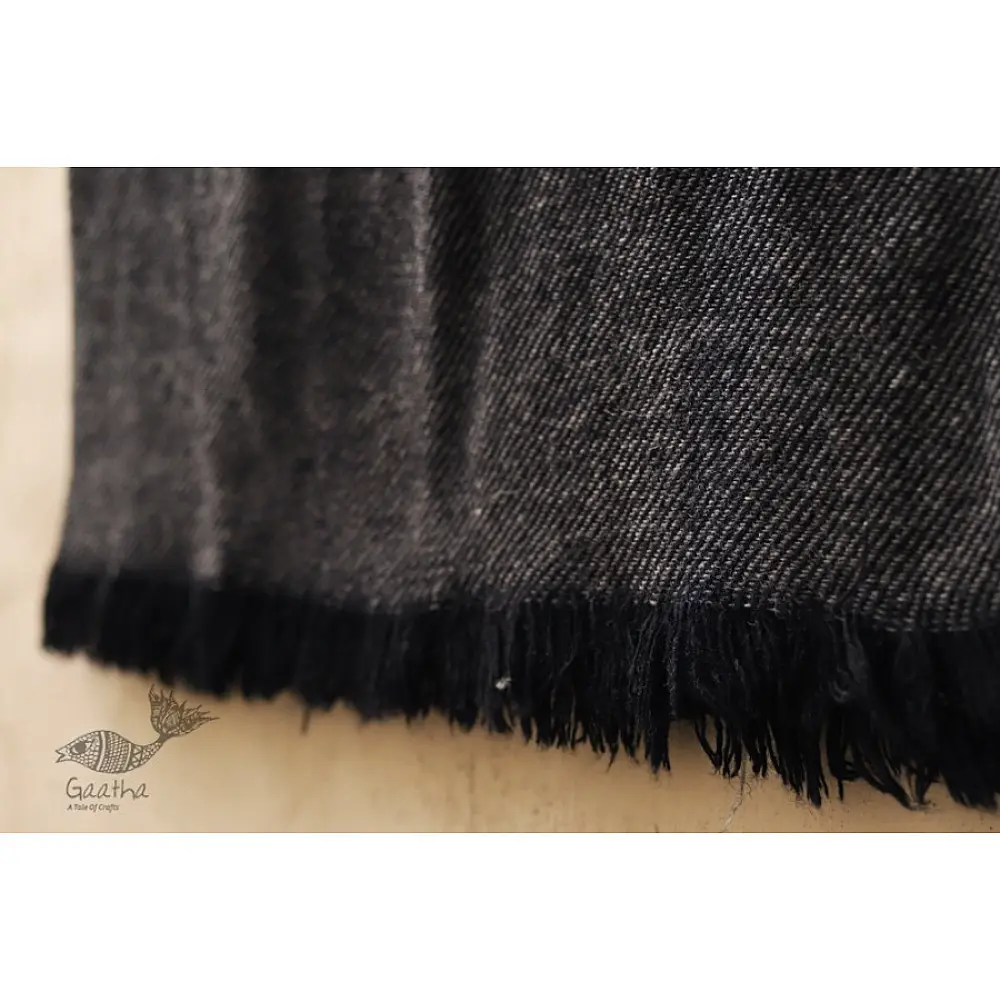
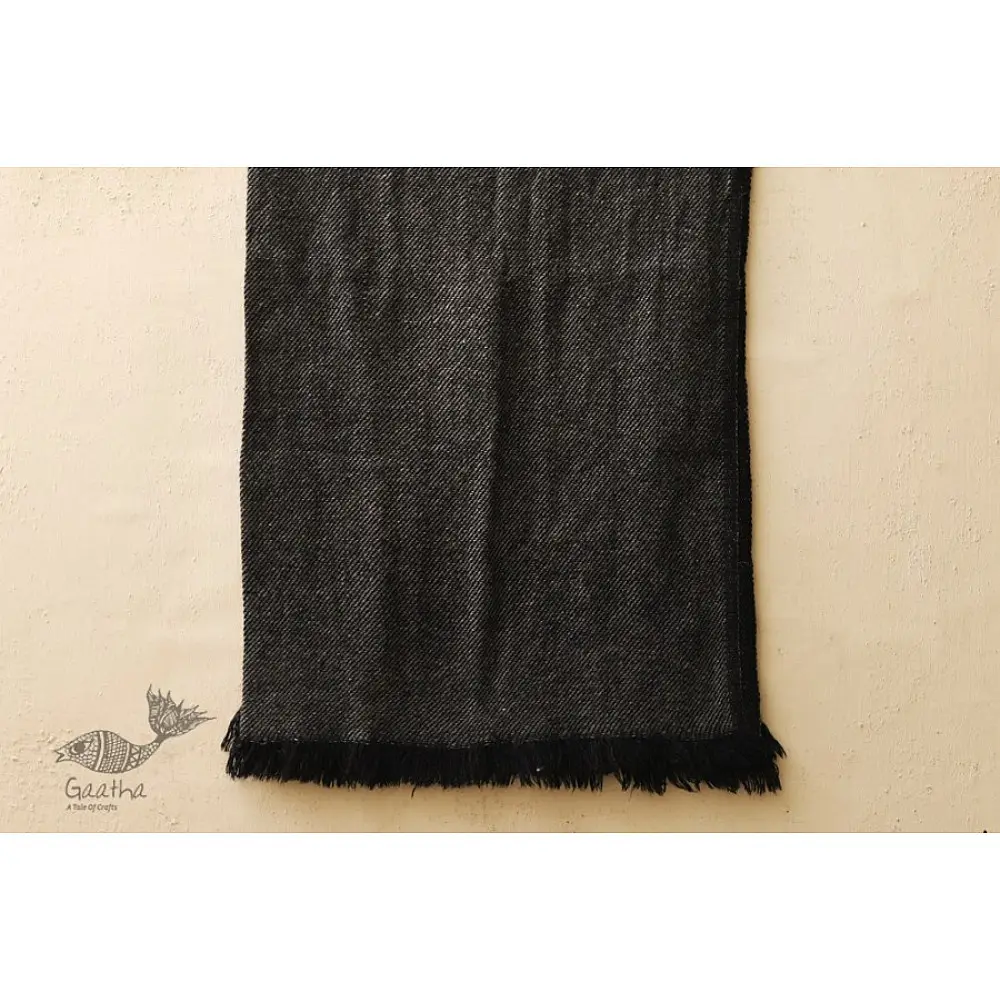
Its winter and your sweet slumbers can't get better without these woolen weaves from Himalayas. Tuck yourself in while having your warm cuppa and let your subconscious wander into himalayan terrain, a poem about winter is bound to emerge in your thoughts, make sure you have a pen and paper nearby...

The typical dispatch time is 2-3 days; however, in special cases, it may take longer. Please refer to the product details section for specific timelines. Once dispatched, we will share the tracking details with you.
For returns, you can file a request within 24 hours of receiving the product. If the package is damaged, please make a video while unboxing and share images of the damaged item along with your return request.

9328006304 ( WhatsApp )

woolen-weaves

Large fields, small hills, going uphill in the summer and coming downhill in the winter, amidst the beautiful mountains… this is the life of the Bhotias of Uttarakhand.

The beautiful hills of Uttarakhand are the abode of the craft of weaving wool, initiated by the women of the villages. A craft, that has found its roots in the region just 3-4 generations back, has now become inseparable from the lives of the natives, the Bhotias and the Gadvalis. bhotias1 Bhotias are predominantly a nomadic tribe in Uttarakhand, India. They spend the winter months in Dhunda, obtaining wool and weaving fabrics, and the summer months in Harsil, growing beans, potatoes, apples and almonds. Every year a self appointed group of people (generally old who are incapable of farming) take charge of the rearing, carefully guiding the sheep from all the households towards the local pastures and the green lands while the rest are busy farming. September – October is the business time. The sheep are back from forests, farms are ready to be harvested and apple orchards are blooming red with fruits. Harvesting is a community affair, with everyone harvesting each other’s fields together, singing songs, snacking; it is celebrated like a festive occasion. sheeps-woolen-weaves At the end of summer, when the sheep are fat from lazily grazing in the plains and have fully grown hair, the tribe comes down from Harsil to Dunda to resume their weaving activities. After the sheep are sheared, the wool is washed and dried, ready to be made into yarns for weaving. Even though cleaning and carding of the wool is traditionally done by hand, two carding units were installed in Dhunda to fasten the process out of which only one is functional today. The process of carding converts the rough wool into a thin, clean, homogeneous strip which can easily be spun into a yarn of equal thickness throughout. cleaning-woolen-weaves2 Spinning is done on a traditional spinning wheel, or Charkha after which the yarn is ready to be knitted or woven. For weaving, there are two types of looms, the upright loom for coarser fabric and the pit loom for finer fabric. Knitting, done with a pair of needles has attained a different level of fabric construction altogether with the motifs getting three dimensional. Sheep wool blended with rabbit hair gives extra softness, shimmer and whiteness to the weave. Once the fabric is made, it is washed and brushed to give a felt like effect. The different shades of grey of the woolen fabrics are not dyed colours, but the result of blending of white and black wool in certain ratios, before spinning of the yarn. With just these shades, they make different motifs, stripes and checks. yarn-woolen-weaves Popular products are knitted kangsuk (socks), saai (cap), laakhshu(gloves), mufflers and woven suit lengths, shawls, dan (carpet), stoles,dumkar (blanket) and paagad (belt). Most of their sales happen during the annual festival at Gangotri, which takes place when the idol of Holi Ganga is brought back to the temple with a great procession followed by pooja and yagnas marking the beginning of summers. Sometime in April – May, On the auspicious day of Akshaya Tritiya, the day when the mythical king Bhagirath brought down Ganga from Shiva’s hair, they open the doors of the temple of Gangotri. This day is a celebration marking the beginning of their resettlement after a six month long nomadic life. woolen-weaves-shawl Before the Indo-China war, trade between India and Tibet, helped natives from both the sides in their livelihood. Potatoes, grains and spices from India was exchanged for ghee, wax, wool and salt from Tibet. This stopped after 1962 when many of the traders from Tibet were still in India. Those traders settled here and came to be known as “Khampa”, and are Buddhist by religion. There are two other castes in the area, the “Rompa”, who are originally from the Indian side of the border and the “Kolee” who are weavers from Himachal. Their clothing, facial features and even the motifs of dragons on their weave clearly show a Tibetan influence. Both small and large scale industries are doing similar work, albeit less durable and inexpensive, thus being a threat to the survival of this craft. The younger generation is making use of government policies to get higher education and slowly leaving their family profession. Their looms stay unoccupied, preserved as antiques. eomen-woolen-weaves Unlike many Indian villages, and even “progressive” cities, here in this little hilly region, women are held in high respect because they are the ones who originally raised and supported the families.Women take care of the household, harvest the fields, weave and sell the woolen articles in the market, while men mostly spend their days time playing cards. Responsible for both home and business, women are really the pillars of this community.   By Shivani Dhar

Craftsmen
Made by Navjyoti Hathkargha Sansthan
City Roorkee
Shipping ~
Location Shipping internationally
Material
Made of Wool
Instruction
Note -The product is handmade and unique, these might differ slightly from shown design. - Handwash with mild detergent and flat dry.

Write a review

Note: HTML is not translated!
Bad Good

Frequently asked question

Every product at Gaatha is handcrafted by artisan communities from different regions of India, each carrying forward generations of traditional knowledge and craftsmanship. Many of our products also pass through the hands of multiple artisans, with each contributing a specialised skill before the piece reaches its final form.

To learn more about the history, techniques, and communities behind a particular craft, we invite you to explore the Craft Story associated with the product. It offers a deeper understanding of the heritage and the people who bring these creations to life.

This is one of the most common questions we receive. Simply put, handloom refers to fabrics that are woven by hand on traditional looms. Handcrafted, on the other hand, refers to products that are created by skilled artisans using traditional craft techniques. For example, a handloom fabric can be transformed into a handcrafted saree, bag, or home décor item through embroidery, stitching, block printing, or other artisan techniques. In short, handloom is the fabric, while handcrafted is the finished product created using that fabric or other traditional materials.

Wash your handloom product gently with a mild detergent and follow the care instructions provided. Silk products are best dry cleaned, while naturally dyed products should be washed separately for the first few washes, as slight colour bleeding is normal. Dry in the shade, avoid harsh chemicals, and store in a cool, dry place to preserve its beauty for years to come.

We take great care in packaging every fragile handcrafted product to ensure it reaches you safely. Wherever possible, we minimise the use of thermocol and instead use secure cushioning and protective packaging suited to the product. Each item is carefully packed to reduce movement during transit and help it arrive in excellent condition.

We make every effort to represent our products as accurately as possible through photography. However, slight variations in colour may occur due to differences in screen settings and lighting conditions.

Since every handcrafted piece is individually made, subtle variations in colour, weave, texture, pattern, or finishing are a natural part of the handmade process. These unique characteristics are not imperfections but a reflection of the artisan's craftsmanship, making every piece truly one of a kind.

The best gifts are those that have a story to tell. Every product at Gaatha is handcrafted by skilled artisans, making each piece unique and meaningful. Whether you're celebrating a wedding, birthday, anniversary, housewarming, or festival, our handcrafted collections offer gifts that are timeless, thoughtful, and made to be cherished. If you're gifting a loved one, we can also include a craft story tag with your order upon request, allowing you to share the story, heritage, and craftsmanship behind your gift.