

Out Of Stock


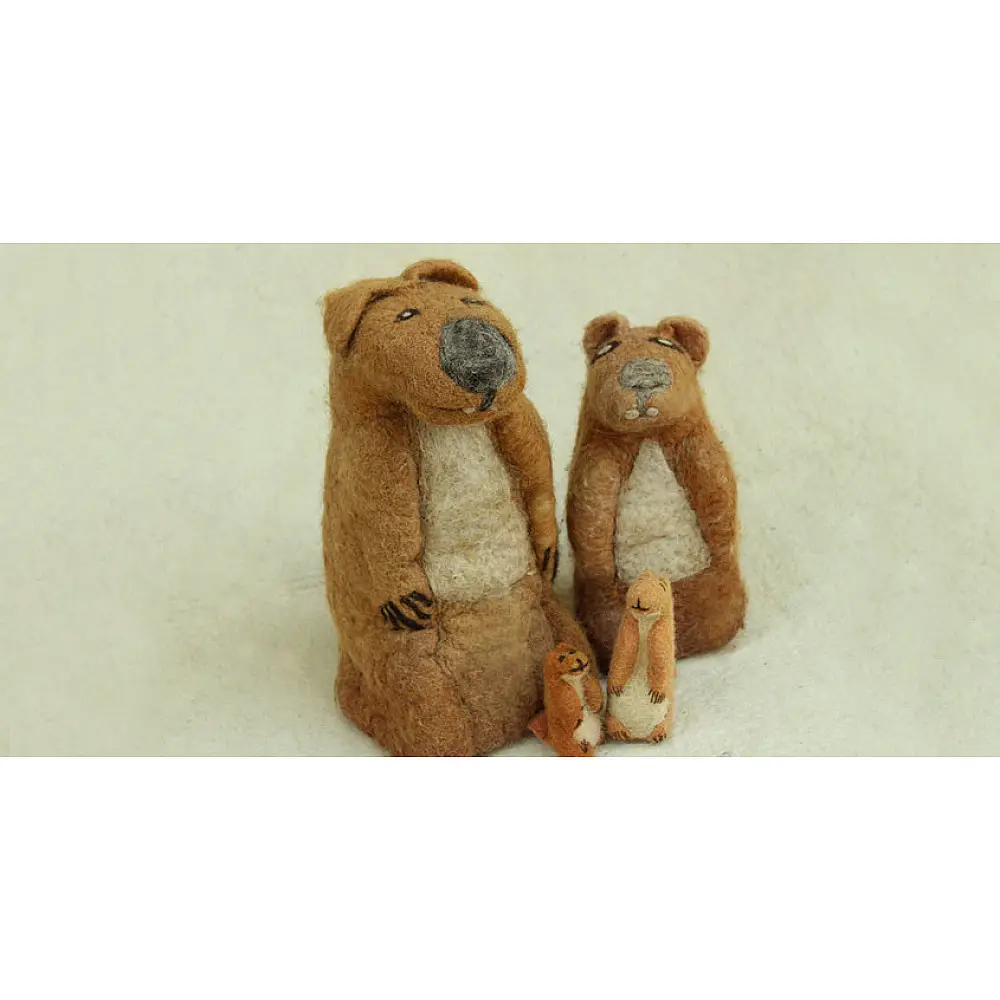
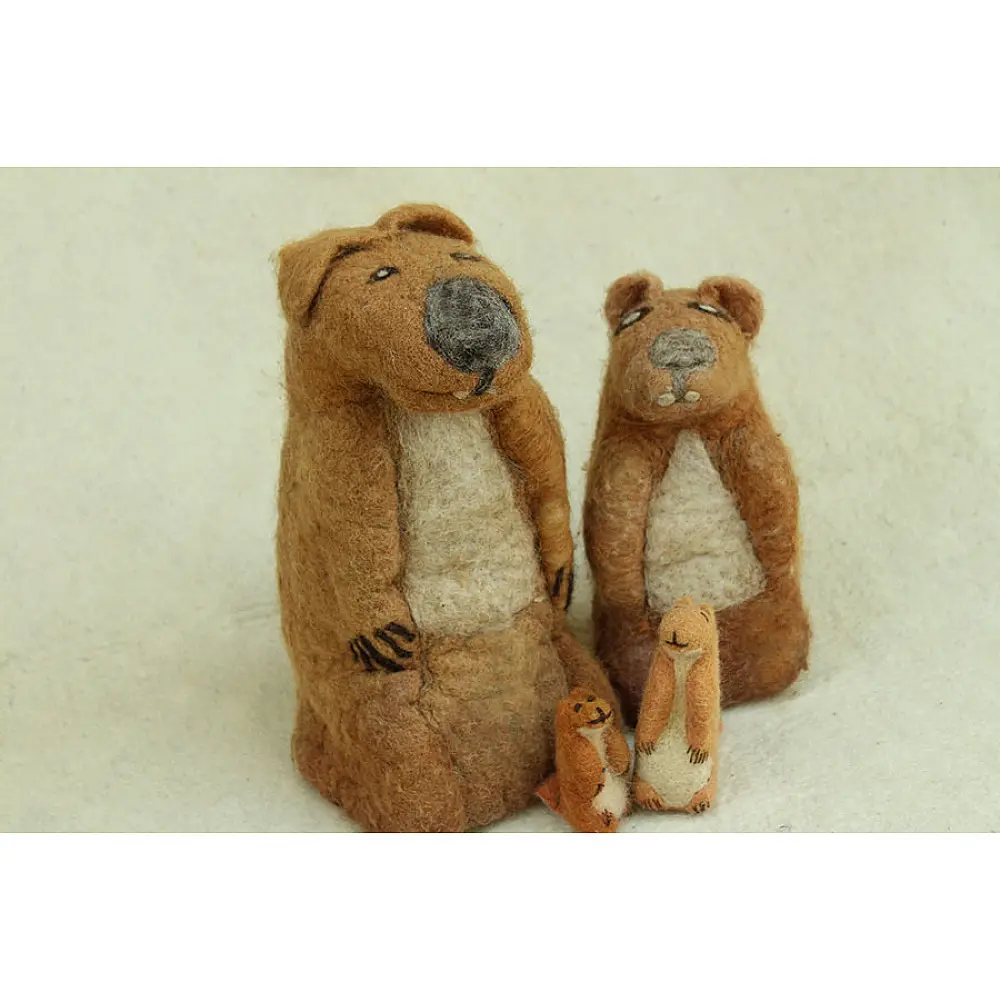
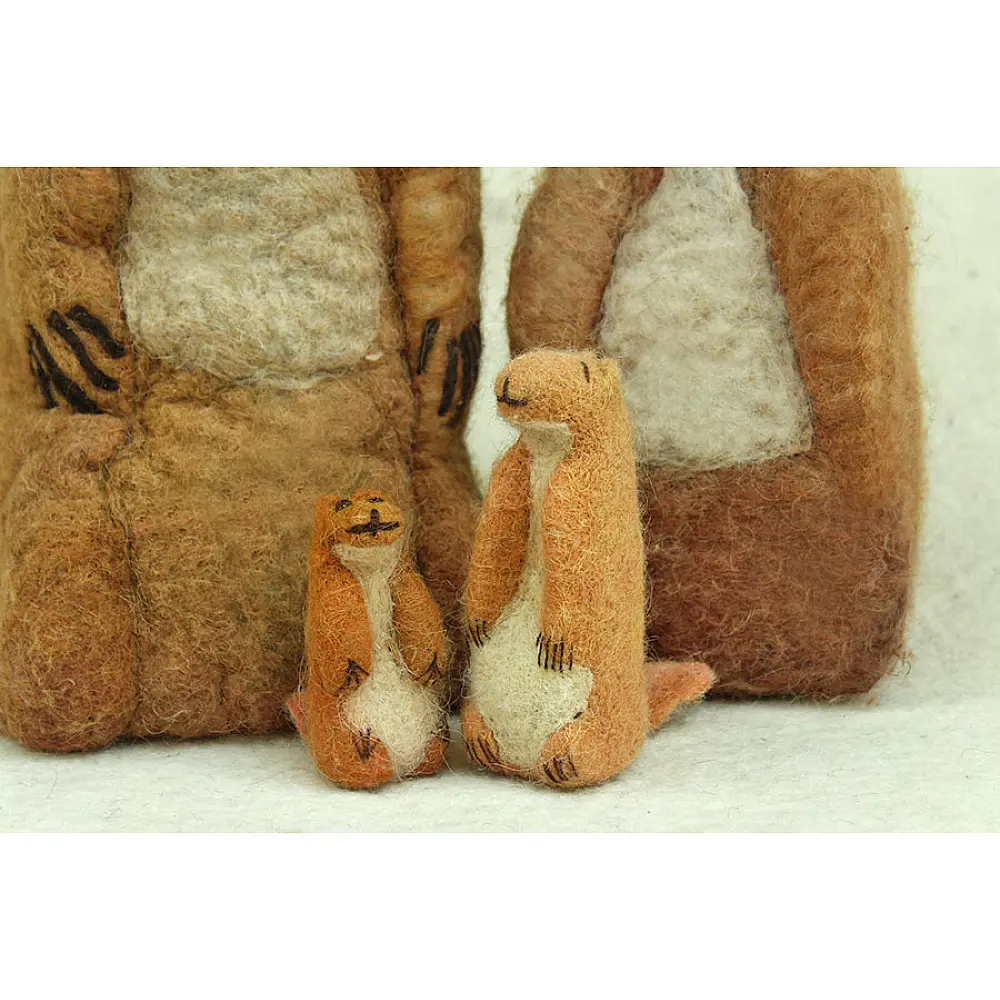
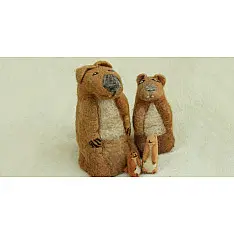
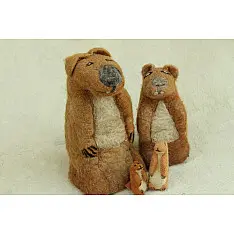
From the Land of Passes ~ Mamoot ( Family )
- Availability: Out Of Stock
- Made & Mkt by: Ladakh Rural Woman Enterprise
- Product Code: 4002-N-YT5
- Weight: 250.00g
- Package Dimensions: 16.00cm x 15.00cm x 35.00cm
Rs.2,099.72

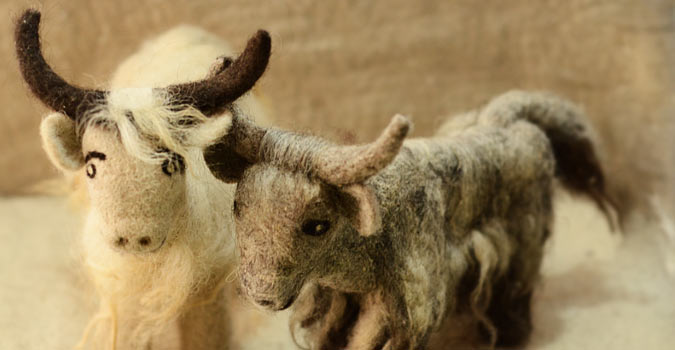
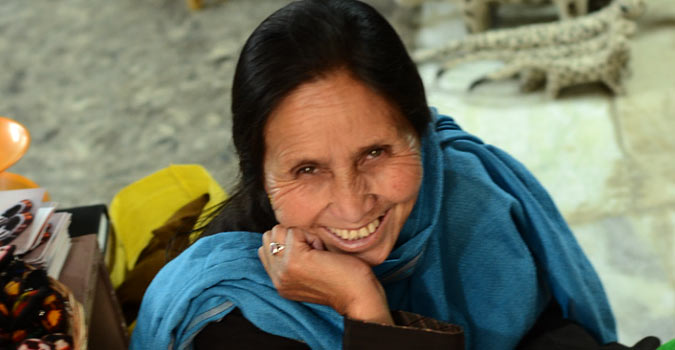
“Ladakh Rural Woman Enterprise” is an initiative to keep the handicraft traditions of Ladakh alive. Founded by Tsering Dolma in 2012, the organization incorporates and empowers about 40 rural women from various remote villages of Ladakh. With a strong hold on various craft techniques and deep rooted connection with the culture of the region, Tsering has been tirelessly working in the sector for past 20 years. Her self-belief and professional commitment is an inspiration to many who have stepped out of the confined boundaries of their houses to realize their dreams.
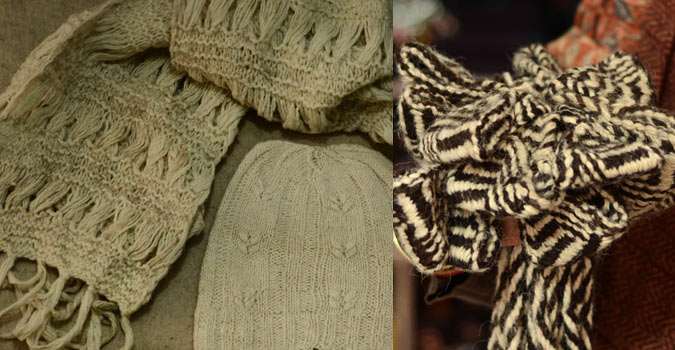
The organization works with the artisans of pashmina weaving, knitting, woolen felt toy making, traditional shoe making, Tie and Die et al. Owing to extreme weather conditions in winters between September to March, the region lays quiet and frozen under a thick sheet of ice and the movements restricted. Some areas of Ladakh get completely cut off from the rest of the civilization. In such harsh cold, with near to nothing infrastructure in the villages these artisans are forced to stay home. Huddled up together, in layers and layers of woolens and wood burning to keep the blood running in their veins, they still have their creative juices flowing. Weavers weave, toy makers make toys, shoe makers make shoes, women stitch local garments (Goncha) but they do it all with lots of wool around them. This besides keeping them warm is the prime raw material for most of the crafts of Ladakh, which primarily are products from their own lifestyle.
Pashmina is procured from Changthang and nearby Govt. setup at Upshi and distributed amongst the village women, who work from their homes to make some of the most beautiful and exquisite products from the region. A dehairing plant has also been set up at Stopdan under the name of ‘Changthang Co-operative’ for separating wool from pashmina, which comes as a mixed lot from various shearing units. This process of separating pashmina from the rest was also done manually by the older women of the shepherd or weaver community till very recently.
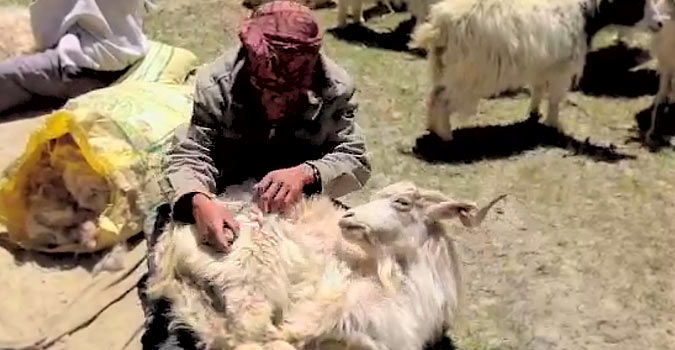
“Pure Pashmina with so many false duplicates floating in the market is a product of rarity these days”, Tsering explains. “While pashmina is the name for the softest inner most layer of hair of a special breed of goat found only on the highest livable mountains of Ladakh, the region is the only source of raw material, though the weaving happens in many clusters in Ladakh and Kashmir.” Increasing demand of the shawls has also led to setting up of power looms. Yak wool with its comparatively coarse texture is another specialty of the region.
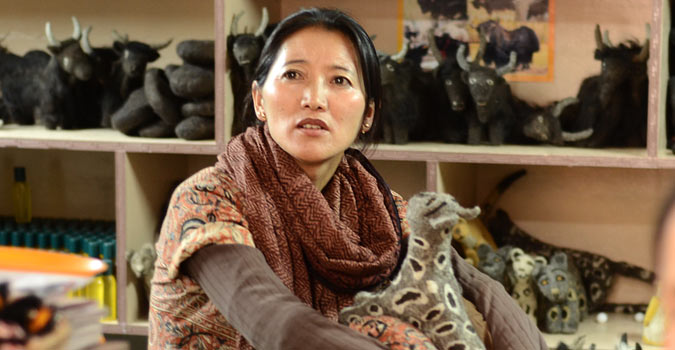
“The value of the craftsmanship gets diluted and wasted when a foreigner buys and sells their products without knowing the process behind it and convening it at the time of sales.” She says while her hands are busy pricking the woolen Himalayan Marmot. Felting is a process they learnt in a workshop several years back and have been making woolen toys ever since. Along with the natural wool colors like shades of grey and brown they also dye the wool in natural colors like mustard yellow from ‘Rubab roots’ to add character to these toys. A special teethed pin with wooden handle is used to prick a body of wool held in hands, this helps in mixing and entangling the fibers across its thickness and making a homogenously thick mass of wool. Colored layers are added on top and attached to the base in the same manner; this is done to create patterns on the base body.
-225x150w.webp "Handmade Wooden Hanging Hanuman Mask")
-225x150w.webp "Handmade Wooden Hanging Hanuman Mask")
New
One of a Kind
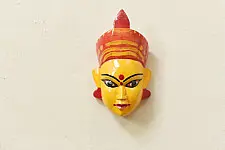
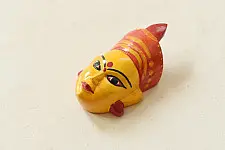
The ecstatic Gomira dance masks of Dinajpur district have ensued from animistic practices of the Desi and Poli communities of the Rajbangshis. The Gom..
Rs.5,000.27
New
The ecstatic Gomira dance masks of Dinajpur district have ensued from animistic practices of the Desi and Poli communities of the Rajbangshis. The Gom..
Rs.1,100.21
New
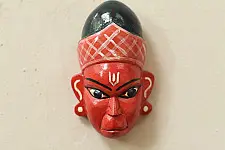
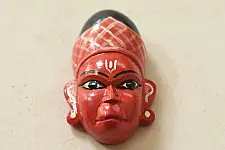
The ecstatic Gomira dance masks of Dinajpur district have ensued from animistic practices of the Desi and Poli communities of the Rajbangshis. The Gom..
Rs.1,100.21
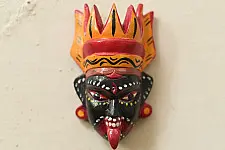
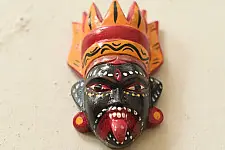
New
The ecstatic Gomira dance masks of Dinajpur district have ensued from animistic practices of the Desi and Poli communities of the Rajbangshis. The Gom..
Rs.1,100.21
-225x150w.webp "Kusumaprabha . कुसुमांप्रभा | Designer Glass Earring - Blue Jhumka")
-225x150w.webp "Kusumaprabha . कुसुमांप्रभा | Designer Glass Earring - Blue Jhumka")
New
Firozabad is situated in the west of Uttar
Pradesh. This industrial town of Uttar Pradesh, very popularly called the ‘Glass City of India’ is a renow..
Rs.2,750.18
-225x150w.webp "Folk Love ~ Kutchi Handmade Embroidered Necklace")
-225x150w.webp "Folk Love ~ Kutchi Handmade Embroidered Necklace")
New
One of a Kind
Think of Gujarat and vibrant images flash across the mind… the exhilarating Garba, decorated camels in the great Rann and everyone clothed in col..
Rs.1,100.21
-225x150w.webp "Folk Love ~ Banjara Handcrafted Embroidered Necklace")
-225x150w.webp "Folk Love ~ Banjara Handcrafted Embroidered Necklace")
New
One of a Kind
Think of Gujarat and vibrant images flash across the mind… the exhilarating Garba, decorated camels in the great Rann and everyone clothed in col..
Rs.1,100.21
Pre-Order
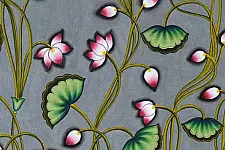
When Indra, the lord of rains, showed his wrath on the people of Vrindavan, with violent rains and thunder, lord Krishna lifted the Govardha..
Rs.0.00
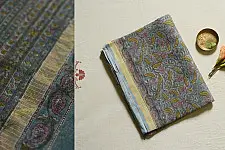
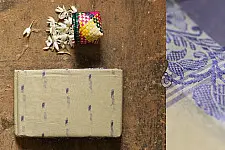
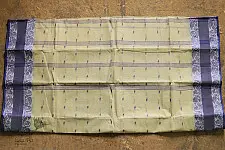
-225x150w.webp "Kumudini . कुमुदिनी | Sanganeri Block Prints - Kota Cotton Saree with Zari Border - Greenish Grey Color")
-9 %
Sanganer Block Printing RajasthanOral tradition suggests that the chhipa families of Jaipur began to shift their work to locations where space and run..
Rs.3,318.74 Rs.3,651.69
One of a Kind
The Nadia district of West Bengal is a famous center of Vaishnavism. It is best known to devotees as the residence of Sri Advaita Acharya. After Lord ..
Rs.2,630.02
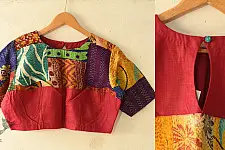
Kantha stitch is nothing but the humble running stitch and it essentially comes from the word Kantha/quilt.
Kantha, Patched, qu..
Rs.2,999.89
-225x150w.webp "Aripan | Madhubnai Painting - Budhha & Kalpa Vriksh")
One of a Kind
Janakpur is the place from where Raja Janak ruled the whole Mithila kingdom centuries ago. In Sitamarhi, a historical place in Mithila, on the banks o..
Rs.162,500.34

-225x150w.webp "Budbud | Paper Quilling - Earring - Nila")
The beautiful town of
Channapatna is located in Karnataka, around 60km from its capital Bengaluru. On the way from
Bengaluru to Channapatna, fr..
Rs.479.28
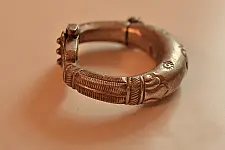
Out Of Stock
Spring tickles my feet as love soaks this air,Is it a new reason to live, or just this excuse of the fair.I can wait to look my best, as I embrace the..
Rs.1,999.70

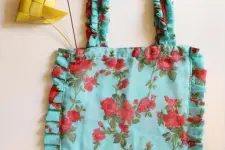
-50 %
Out Of Stock
Gathering commences in the middle of deserted pavilions where velvet carpets adorn the Dessert lands & Manganiyars play folk music as a bugle for ..
Rs.512.18 Rs.1,025.02

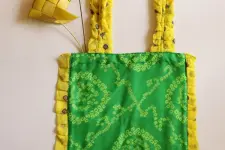
-50 %
Out Of Stock
Gathering commences in the middle of deserted pavilions where velvet carpets adorn the Dessert lands & Manganiyars play folk music as a bugle for ..
Rs.512.18 Rs.1,025.02

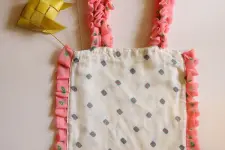
-50 %
Out Of Stock
Gathering commences in the middle of deserted pavilions where velvet carpets adorn the Dessert lands & Manganiyars play folk music as a bugle for ..
Rs.512.18 Rs.1,025.02
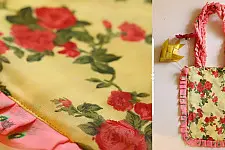
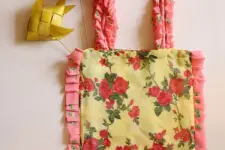
-50 %
Out Of Stock
Gathering commences in the middle of deserted pavilions where velvet carpets adorn the Dessert lands & Manganiyars play folk music as a bugle for ..
Rs.512.18 Rs.1,025.02
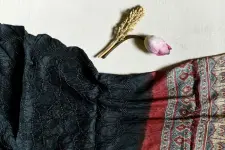
-225x150w.webp "Ada . अदा | Ajrakh Bandhani Tussar Silk Stole - Black")
-10 %
Out Of Stock
A familiar chatter swells in the air as feet chase the trail of a carelessly flying odhani in the by-lanes of Bhuj, spilling colors all over. While&nb..
Rs.3,069.70 Rs.3,412.05
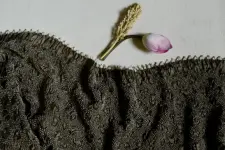
-225x150w.webp "Ada . अदा | Bandhani Tussar Silk Dupatta - Heart Design in Greenish Gray Colour")
-10 %
Out Of Stock
A familiar chatter swells in the air as feet chase the trail of a carelessly flying odhani in the by-lanes of Bhuj, spilling colors all over. While&nb..
Rs.9,309.80 Rs.10,344.90
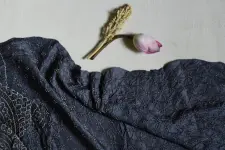
-225x150w.webp "Ada . अदा | Bandhani Tussar Silk Stole - Grey")
One of a Kind
-10 %
A familiar chatter swells in the air as feet chase the trail of a carelessly flying odhani in the by-lanes of Bhuj, spilling colors all over. While&nb..
Rs.3,459.71 Rs.3,845.02
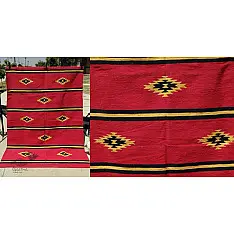
-234x234h.webp "Handwoven Dhurrie | Cotton Center Sofa Dhurrie - Small Diamond - Pink")
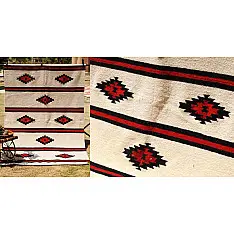
-234x234h.webp "Handwoven Dhurrie | Cotton Dhurrie - Small Diamond")
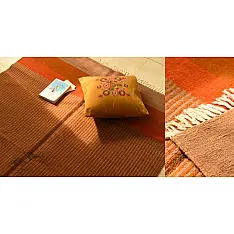
-234x234w.webp "Sulochana ~ Woolen Jawaja Durrie ( 4' X 6' ) ~ Brick")