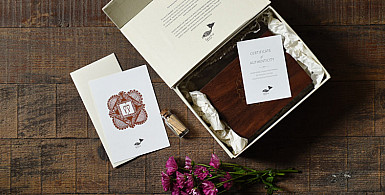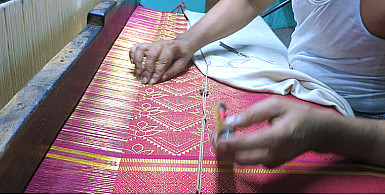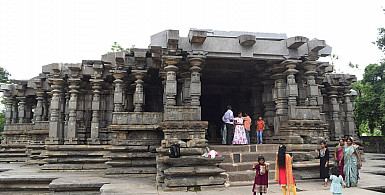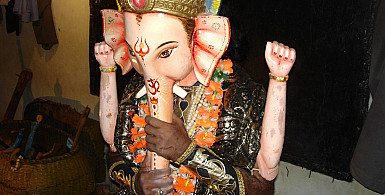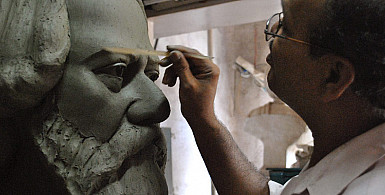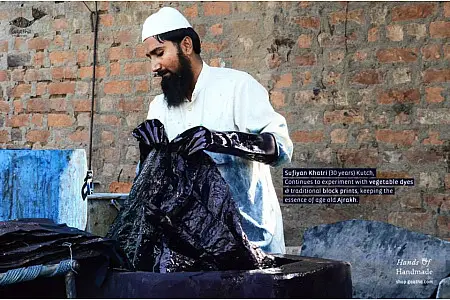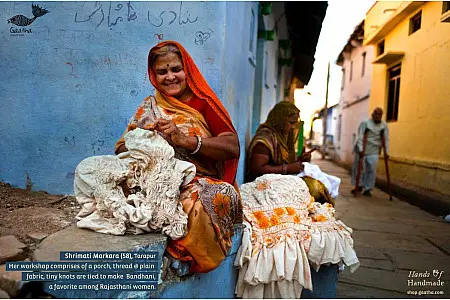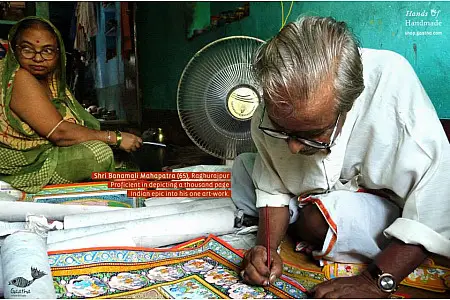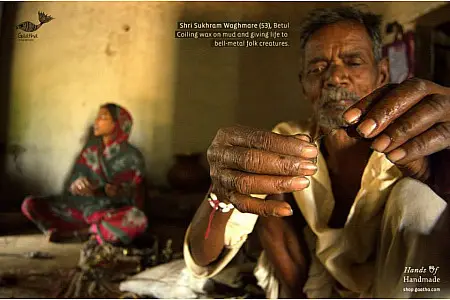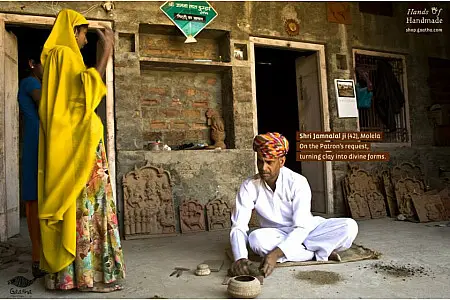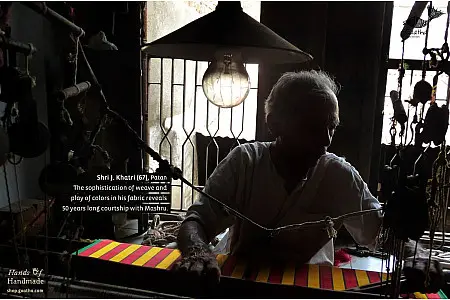



For over 13 years, Gaatha has been documenting and working closely with Indian artisans across diverse craft traditions. Through this journey, we bring you an authentic collection of Indian crafts, thoughtfully curated from different regions of the country.
Explore a wide range of handmade creations, from wooden and metal crafts to textiles and tribal art, each rooted in tradition yet adapted for contemporary living. This page allows you to discover Indian crafts by category, making it easier to find pieces that resonate with your space and story.
We believe artisans should continue working in their native environments, supporting local communities and preserving cultural heritage. Today, Gaatha collaborates with numerous craft clusters across India, bringing you closer to a world of handmade treasures, directly from the homes of artisans to your doorstep.
Explore Indian Crafts by Category
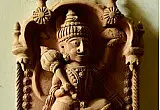
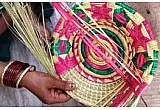
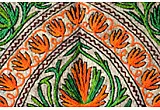
-160x110w.webp)
-250x250w.webp "Bohemian Rhapsody | Long Necklace with Chain Tassels")
-43 %
Out Of Stock
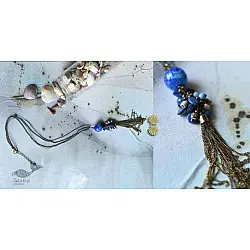
-250x250w.webp "Bohemian Rhapsody | Designer Long Necklace")
One of a Kind
-43 %
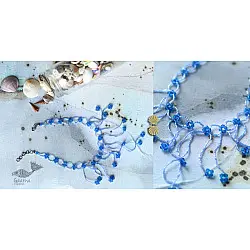
-250x250h.webp "Bohemian Rhapsody | Blue Bead Necklace")
One of a Kind
-49 %
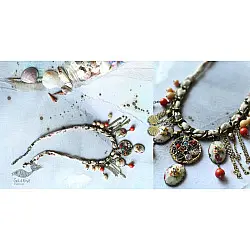
-250x250h.webp "Bohemian Rhapsody | Designer Fabric Necklace")
-40 %
Out Of Stock
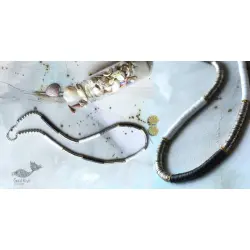
-250x250w.webp "Bohemian Rhapsody | Necklace - Silver, White & Black")
-61 %
Out Of Stock
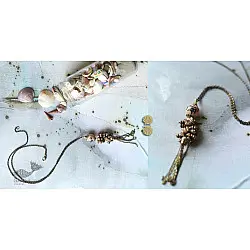
-250x250h.webp "Bohemian Rhapsody | Beaded Dangler With Chain Tassels")
-43 %
Out Of Stock
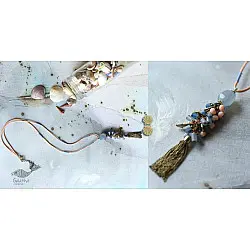
-250x250w.webp "Bohemian Rhapsody | Designer Long Necklace - B")
-43 %
Out Of Stock
-49 %
Out Of Stock
Made & Mkt by: Kosher
Product Code: 3999-CL23-23
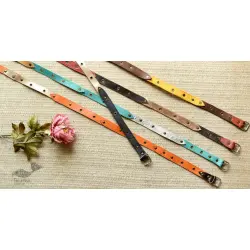
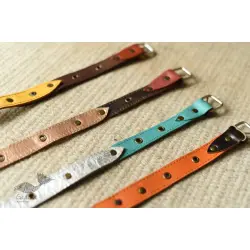
Wrinkled brown, sturdy leather, like the cracked parched expanses of the Rann, dotted with multicoloured droplets as if sun tanned skin is punctuated with tribal tattoos. Earlier a collaborative outcome of the Maldhari nomads’ tanning expertise and the Meghwal community’s stitching and embroidering ..
Rs.590.00 Rs.1,150.00
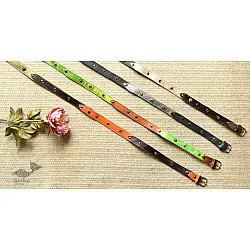
-250x250w.webp "The Blue Lotus | Leather Belt ( Four Options )")
-49 %
Made & Mkt by: Kosher
Product Code: 3999-CL23-24
Wrinkled brown, sturdy leather, like the cracked parched expanses of the Rann, dotted with multicoloured droplets as if sun tanned skin is punctuated with tribal tattoos. Earlier a collaborative outcome of the Maldhari nomads’ tanning expertise and the Meghwal community’s stitching and embroidering ..
Rs.590.00 Rs.1,150.00
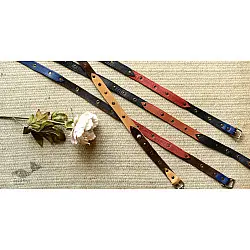
-250x250w.webp "The Blue Lotus | Leather Belt ( Four Options )")
One of a Kind
-49 %
Made & Mkt by: Kosher
Product Code: 3999-CL23-22
Wrinkled brown, sturdy leather, like the cracked parched expanses of the Rann, dotted with multicoloured droplets as if sun tanned skin is punctuated with tribal tattoos. Earlier a collaborative outcome of the Maldhari nomads’ tanning expertise and the Meghwal community’s stitching and embroidering ..
Rs.590.00 Rs.1,150.00
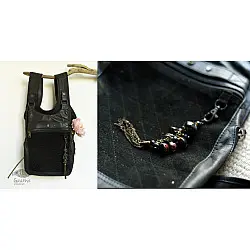
-250x250h.webp "The Blue Lotus | Leather Black Hand Bag")
One of a Kind
-16 %
Made & Mkt by: Kosher
Product Code: 3999-CL23-19
Wrinkled brown, sturdy leather, like the cracked parched expanses of the Rann, dotted with multicoloured droplets as if sun tanned skin is punctuated with tribal tattoos. Earlier a collaborative outcome of the Maldhari nomads’ tanning expertise and the Meghwal community’s stitching and embroidering ..
Rs.2,690.00 Rs.3,200.00
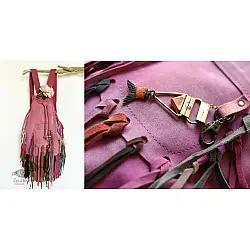
-250x250h.webp "The Blue Lotus | Leather Boho Hand Bag - Pink")
One of a Kind
-16 %
Made & Mkt by: Kosher
Product Code: 3999-CL23-20
Wrinkled brown, sturdy leather, like the cracked parched expanses of the Rann, dotted with multicoloured droplets as if sun tanned skin is punctuated with tribal tattoos. Earlier a collaborative outcome of the Maldhari nomads’ tanning expertise and the Meghwal community’s stitching and embroidering ..
Rs.2,700.00 Rs.3,200.00
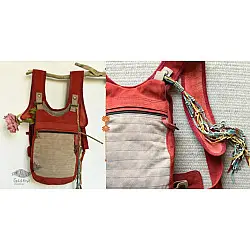
-250x250w.webp "The Blue Lotus | Leather & Velvet Hand Bag")
-14 %
Out Of Stock
Made & Mkt by: Kosher
Product Code: 3999-CL23-16
Wrinkled brown, sturdy leather, like the cracked parched expanses of the Rann, dotted with multicoloured droplets as if sun tanned skin is punctuated with tribal tattoos. Earlier a collaborative outcome of the Maldhari nomads’ tanning expertise and the Meghwal community’s stitching and embroidering ..
Rs.2,400.00 Rs.2,800.00
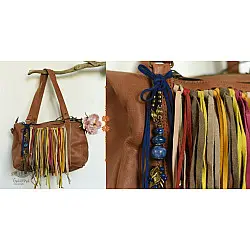
-250x250h.webp "The Blue Lotus | Leather Boho Handbag")
One of a Kind
-24 %
Made & Mkt by: Kosher
Product Code: 3999-CL23-14
Wrinkled brown, sturdy leather, like the cracked parched expanses of the Rann, dotted with multicoloured droplets as if sun tanned skin is punctuated with tribal tattoos. Earlier a collaborative outcome of the Maldhari nomads’ tanning expertise and the Meghwal community’s stitching and embroidering ..
Rs.2,200.00 Rs.2,900.00
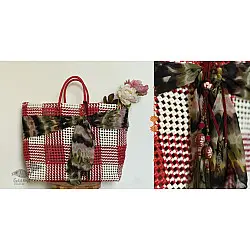
-250x250w.webp "The Blue Lotus | Multipurpose Bag - Red")
One of a Kind
-34 %
Made & Mkt by: Kosher
Product Code: 3999-CL23-12
Wrinkled brown, sturdy leather, like the cracked parched expanses of the Rann, dotted with multicoloured droplets as if sun tanned skin is punctuated with tribal tattoos. Earlier a collaborative outcome of the Maldhari nomads’ tanning expertise and the Meghwal community’s stitching and embroidering ..
Rs.1,650.00 Rs.2,500.00
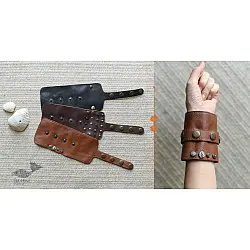
-250x250w.webp "The Blue Lotus | Leather Wrist Wallet ( Three Options )")
One of a Kind
-48 %
Made & Mkt by: Kosher
Product Code: 3999-CL23-09
Wrinkled brown, sturdy leather, like the cracked parched expanses of the Rann, dotted with multicoloured droplets as if sun tanned skin is punctuated with tribal tattoos. Earlier a collaborative outcome of the Maldhari nomads’ tanning expertise and the Meghwal community’s stitching and embroidering ..
Rs.750.00 Rs.1,450.00
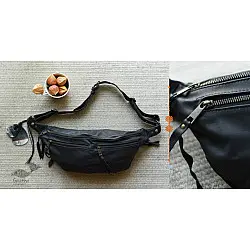
-250x250w.webp "The Blue Lotus | Leather Black Waist Bag")
-27 %
Out Of Stock
Made & Mkt by: Kosher
Product Code: 3999-CL23-01
Wrinkled brown, sturdy leather, like the cracked parched expanses of the Rann, dotted with multicoloured droplets as if sun tanned skin is punctuated with tribal tattoos. Earlier a collaborative outcome of the Maldhari nomads’ tanning expertise and the Meghwal community’s stitching and embroidering ..
Rs.1,850.00 Rs.2,550.00

Out Of Stock
Made & Mkt by: Mirchi Komachi
Product Code: 1218-MKJ-13
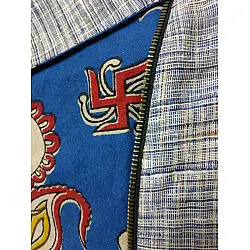
“The story goes as back as the times in history when my father would walk me to the river side, where lengths of colorful patterns waved up and down, with the gushing flow of Sabarmati. Things changed however, open banks were replaced by concrete blocks, flowing river by inert marshes, p..
Rs.2,300.00
Out Of Stock
Made & Mkt by: Jawaja Durrie Association
Product Code: 3748-w5
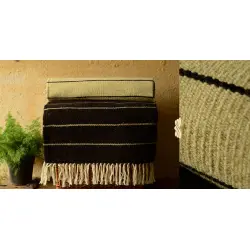
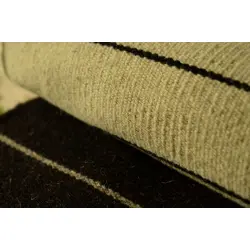
Probably the lesser known offspring of Artisans’ Alliance, Jawaja, the durries of Beawar, Rajasthan, are no less than the leather craft of this 35 year old association. Durrie, the Indian counterpart of the carpet, is a non-pile rug that has its own unique colours, patterns and materi..
Rs.2,860.00
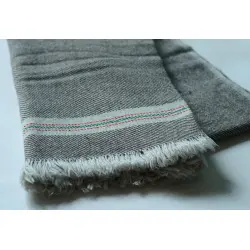
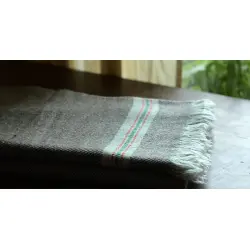
One of a Kind
Made & Mkt by: Navjyoti Hastshilp Vikas Sansthan
Product Code: 3743-A7
Large fields, small hills, going uphill in the summer and coming downhill in the winter, amidst the beautiful mountains… this is the life of the Bhotias of Uttarakhand.
The beautiful hills of Uttarakhand are the abode of the craft of weaving wool, initiated by the women of the villages..
Rs.1,800.00
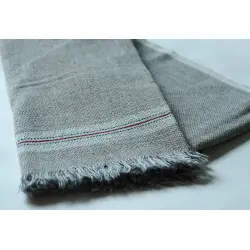
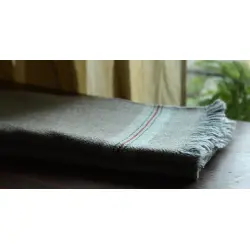
Out Of Stock
Made & Mkt by: Navjyoti Hastshilp Vikas Sansthan
Product Code: 3743-A2
Large fields, small hills, going uphill in the summer and coming downhill in the winter, amidst the beautiful mountains… this is the life of the Bhotias of Uttarakhand.
The beautiful hills of Uttarakhand are the abode of the craft of weaving wool, initiated by the women of the villages..
Rs.1,800.00
One of a Kind
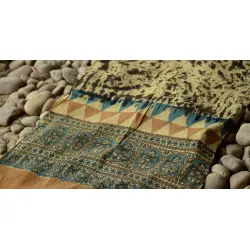
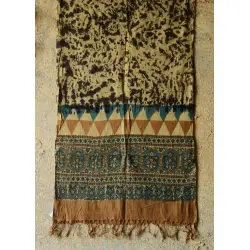
Made & Mkt by: Gaatha
Product Code: 3789-d11
Long time ago, there was a king of Sindh, who like any other king, was fond of royal luxuries and used to sleep on a new bedspread everyday. One day, when his servant was about to change the bed sheet, the king stopped him, saying “Aaj Rakh” (keep it today); he had liked it so much. It was a beautif..
Rs.1,950.00
Out Of Stock
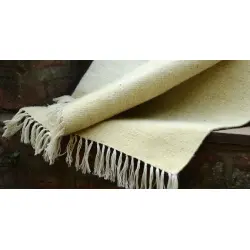
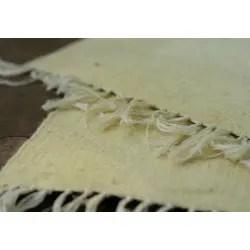
Made & Mkt by: Jawaja Durrie Association
Product Code: 37483
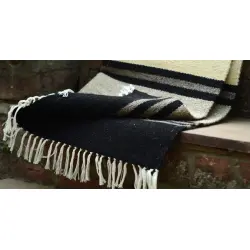
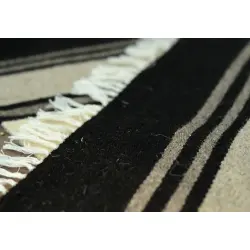
Probably the lesser known offspring of Artisans’ Alliance, Jawaja, the durries of Beawar, Rajasthan, are no less than the leather craft of this 35 year old association. Durrie, the Indian counterpart of the carpet, is a non-pile rug that has its own unique colours, patterns and materi..
Rs.2,200.00
Out Of Stock
Made & Mkt by: Jawaja Durrie Association
Product Code: 37482
Probably the lesser known offspring of Artisans’ Alliance, Jawaja, the durries of Beawar, Rajasthan, are no less than the leather craft of this 35 year old association. Durrie, the Indian counterpart of the carpet, is a non-pile rug that has its own unique colours, patterns and materi..
Rs.2,200.00
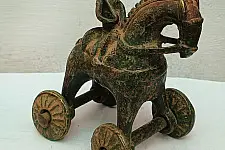
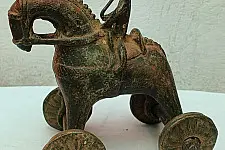
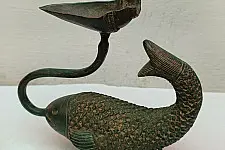
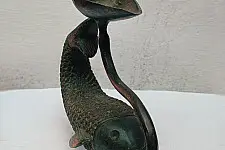
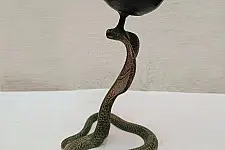
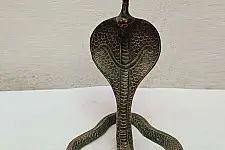
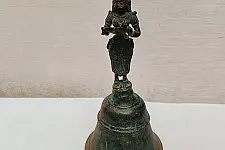
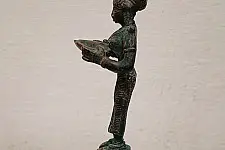
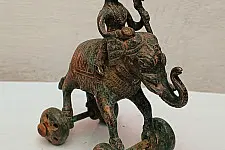
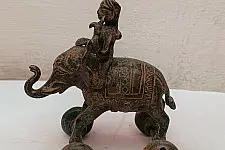
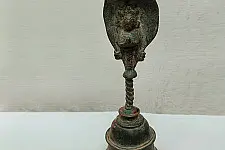
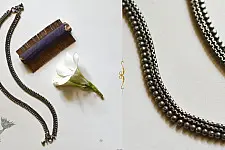
-225x150w.webp "Ethnic Simple Chain Payal")

-225x150w.webp "Madhumalti | Kantha Embroidery ~ Rani Pink / Dark Red Silk Saree")
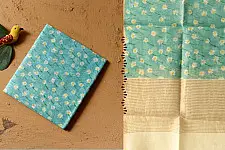
-225x150w.webp "Nisarg . निसर्ग ❣ Block Printed Chanderi Dupatta - Sky Blue")
-225x150w.webp "Shruti | Ajrakh Modal Silk Saree - Red & Blue Prints")
-225x150w.webp "Shruti | Ajrakh Modal Silk Saree - Red & Blue Prints")
-225x150w.webp "Aripan | Madhubnai Painting - Budhha")
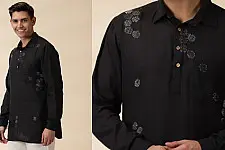
-225x150w.webp "Ekansh . एकांश | Handwoven Cotton - Black Men Short Kurta")
-225x150w.webp "Anagi | Ajrakh Modal Silk Black Stole With Natural Dyed")
-225x150w.webp "Anagi | Ajrakh Modal Silk Black Stole With Natural Dyed")

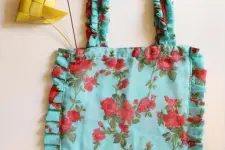


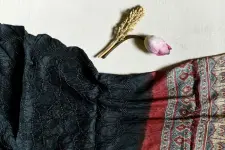
-225x150w.webp "Ada . अदा | Ajrakh Bandhani Tussar Silk Stole - Black")
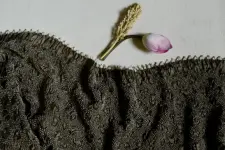
-225x150w.webp "Ada . अदा | Bandhani Tussar Silk Dupatta - Heart Design in Greenish Gray Colour")
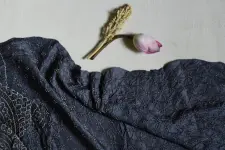
-225x150w.webp "Ada . अदा | Bandhani Tussar Silk Stole - Grey")